















Tis The Seasonal Surge Of Attendance
December has long been a special time on the church calendar, and the numbers prove it. For many congregations, the Christmas season brings some of the highest attendance of the year. It’s common to see packed pews at Christmas Eve candlelight services, often exceeding typical Sunday crowds. One recent church survey found that Christmas Eve attendance per church was about 32% higher than a normal weekend. In short, year-end services consistently draw significantly more people – a mix of regulars, occasional attendees, and many once-a-year guests.
But how many Americans overall attend church during Christmas nowadays? Surprisingly, slightly less than half of U.S. adults (47%) say they typically attend church at Christmastime. This is a notable shift from past generations when Christmas attendance was almost a given. As Lifeway Research notes, 9 in 10 Americans still celebrate Christmas in some way, yet fewer than half include a church service as part of those celebrations. Still, the cultural imprint remains strong – 63% of Americans say that attending church is an integral part of Christmas for them, even if not everyone follows through. This indicates that the idea of church at Christmas retains a sentimental or spiritual importance in many people’s minds, presenting churches with a unique opportunity to reconnect people with faith.
The pandemic of 2020, of course, interrupted these patterns dramatically. Churches may have held virtual Christmas services or none at all. But as in-person worship has resumed the last few years, the December surge has also returned. By Christmas 2021 and 2022, families cautiously came back to sanctuaries; by Christmas 2023, attendance in many churches was approaching or even exceeding pre-pandemic levels as people hungered for the communal experience of Christmas worship. In fact, industry data shows overall church attendance has been rebounding – one report found churches in 2024 had about 7% higher attendance than the year before, and nearly a quarter of churches even report more people now than they saw before COVID hit. (That’s a big turnaround – in early 2021, only 2% of churches could say they’d grown beyond their pre-2020 attendance, but by late 2023, that figure jumped to 23%.) All of this means that this December’s crowds might not just be a seasonal spike or “return to normal” – they could be part of a broader upswing in church engagement.
A Post-Pandemic Shift: People Are Seeking Meaning & Community
Beyond the raw attendance numbers, there’s a hopeful story emerging: after a period of upheaval and isolation, people (especially younger generations) are searching for truth, community, and something beyond themselves. Many of the pursuits that people chased before (whether material success, constant busyness, or online entertainment) proved less fulfilling during the pandemic. In the aftermath, a cultural shift is happening. We see signs of a spiritual reawakening: for example, sales of Bibles have absolutely skyrocketed in recent years. Publishers report that Bible purchases in the U.S. jumped 22% in 2024 (year-over-year), far outpacing general book sales. By October 2024, Americans had bought 13.7 million Bibles in the first 10 months of the year – up from 9.7 million in the same period of 2019. Globally, the trend is similar (the U.K. saw an astonishing 87% increase in Bible sales since 2019). This surge suggests that in times of uncertainty, people are turning back to Scripture and faith in record numbers.
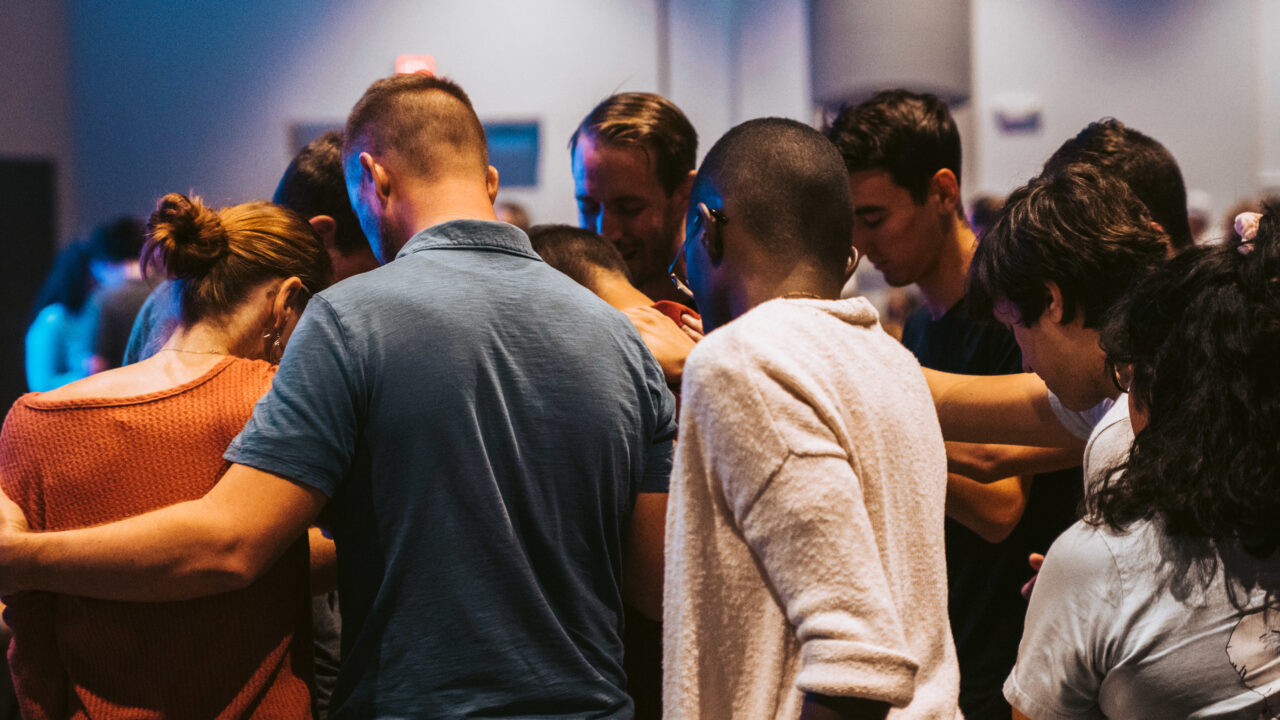
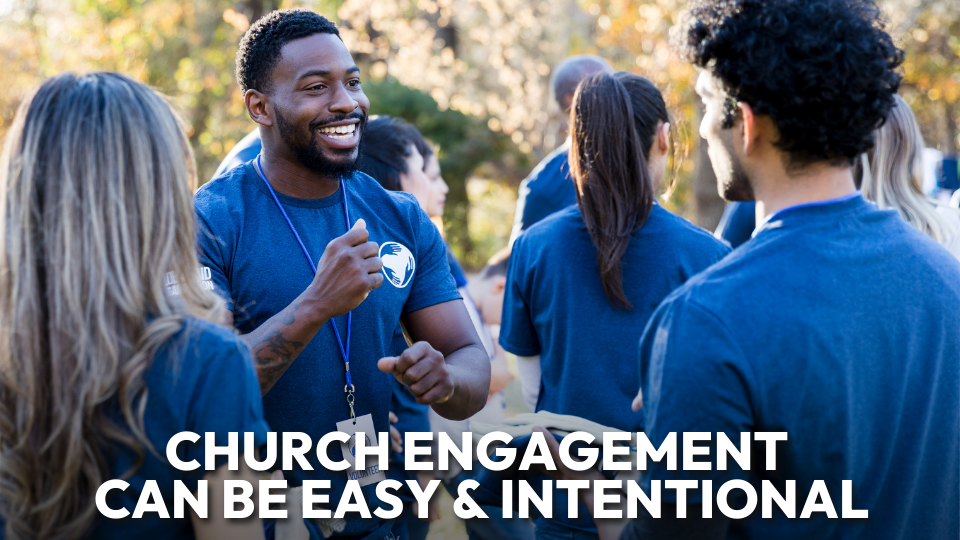
Another striking trend: young adults are coming back to church. Not long ago, Millennials were often seen as the “lost generation” for churches – many had drifted away in their 20s and 30s. But now that narrative is changing. Recent research shows that Millennial church attendance has increased by 18% since 2019. In fact, around 39% of Millennials report attending church weekly now, up from only 21% in 2019 – a dramatic rise that actually makes Millennials more likely to attend weekly worship than the older Gen X or even Boomers in some areas. And it’s not just Millennials: Gen Z, despite being labeled the most unchurched generation, is showing a “profound openness to spirituality,” being surprisingly open to Jesus, the Bible, and questions of faith. It seems the younger generations are hungry for authentic connection and meaning after coming of age in a very chaotic time. Many are seeking community and purpose – and they’re finding it in church. As one church commentator put it, the fact that “Millennials are coming back” is a promising indicator of renewal for the future of the Church. This influx of young people and returning attendees is evidence that something has shifted culturally. People crave truth and real community, and they’re evaluating the Church to find it.
All of this context should encourage you and your team: if your pews feel a bit fuller this December, it’s not a fluke. It reflects a larger movement of people returning to faith communities. Nationwide, many churches are experiencing growth again. (Yes, overall U.S. church attendance took a hit in 2020-2021, and not every church has rebounded – some are still regaining ground. But many medium and large churches have been on a growth trajectory since at least 2022.) Rather than dismissing a December attendance spike as “just the usual Christmas bump,” recognize that it may be part of a broader trend of church growth and renewed interest in faith. Don’t miss this moment! As the saying goes, “Jesus is the reason for the season” – and clearly, a lot of people are being drawn to Him and His Church right now.
Let The Data Tell The Story (& Learn From It)
So what should church leaders do with this December influx? The first step is to capture good data. Every person who walks through your doors represents a soul for whom Christ died – and also a data point that can inform your ministry. By all means, celebrate the full sanctuary and the energy of Christmas services – but also take notes. Ask yourself and your team, “What story is our data telling us, and what are we supposed to do about it?”
Start with the basics: make sure you’re counting attendance accurately, not just estimating. If you haven’t already, consider enabling a check-in system for worship services (just like many do for kids’ ministry). A simple check-in or headcount system through your Church Management Software (ChMS) can record exactly who is attending each service. This gives you far more actionable insight than a rough total. For example, you might discover that 1,000 people came to your Christmas Eve services – but who were they? Was it mostly your core members bringing family? Or did you have 100 first-time guests show up from the community? Knowing this could shape your follow-up strategy.
Next, dig deeper into any new faces you see. Most ChMS platforms allow you to flag first-time or second-time guests easily (especially if they fill out a connect card or check in kids to childcare). Review guest profiles: do many of them share a ZIP code or neighborhood? (Perhaps a new housing development in town is finally checking out your church – insight worth noting!). Are they younger families, singles, or a mix? If you gather addresses or demographic information from connect cards, map it out – you might literally see a new pocket of your city represented in your sanctuary. If so, that’s a clue: maybe your recent community outreach or that social media invite campaign is yielding fruit in that area. Review the data to spot patterns.
Just as important: reflect on what initiatives preceded the attendance boost. Did your church do anything different this fall to invite people? For instance, some churches run special Christmas invite campaigns, encourage members to “bring a friend”, or serve the community in December – all of which can attract newcomers. If you did something like this, measure its impact. Perhaps you discover that 20% of your Christmas visitors came because a friend invited them. (National studies show this is plausible – 56% of Americans who don’t normally attend church say they would likely go if someone they know invited them!) That stat alone underscores how powerful a simple invitation can be. So if your people stepped up and extended invitations, and now you see new folks as a result, celebrate that! Share the win with your congregation: “We had over 100 guests on Christmas Eve – and many of them came because you invited them. Great job living out our mission!” This not only encourages a culture of invitation but also reinforces the importance of personal connection in evangelism.

Finally, don’t overlook giving and other engagement data in December. Year-end generosity is a real phenomenon – historically more charitable donations are made in December than any other month (around 14% of annual giving happens in December alone). If your offering spiked along with attendance, make note of it. Increased giving can indicate increased trust and buy-in from your people (and it helps your finance team plan for the new year). It’s also a reminder that people tend to be especially generous during the holidays – perhaps an opportunity to channel that into outreach or missions, not just internal needs.
In short, treat December as a data goldmine. Count everything you can: worship attendance, first-time guests, returning members you haven’t seen in a while, kids ministry numbers, decisions for Christ or baptisms, even giving. Every number is telling a part of a story. When you lay it all out, you might discover insights like: “Our Christmas concert drew 30% more young families than last year,” or “We had a surge of new volunteers for the holiday outreach event.” These are actionable insights. They can validate what’s working or highlight new needs (e.g., if lots of new families came, do we need to expand our kids’ ministry in 2026?). Data isn’t just for the spreadsheet – it’s there to help you discern ministry direction.
(Need help turning all this information into a real plan? Check out Season 3, Episode 6 of the LeadingSmart podcast on strategic church planning – it’s a practical conversation on how to align ministry goals with what your data is saying.)
From Crowd To Community: Turn Guests Into Disciples
High attendance at Christmas is wonderful – but the true goal is not just to get people in the door, it’s to help them take a next step in their faith journey. December gives you an audience; now you want to turn that crowd into a community. How? By offering clear calls to action and pathways for further engagement. In every Christmas service (and really, every service), make sure there is at least one concrete “faith next step” that you invite people to take. This could be:
- Fill out a Connect Card (physical or digital) – so you can personally follow up and thank them for coming.
- Come to a Newcomer Meet-and-Greet or “Pizza with the Pastors” next month – a non-threatening way to learn more about the church.
- Sign up to volunteer at an upcoming service project – people, especially younger folks, crave purpose and impact; invite them to serve alongside you.
- Give to a charitable cause your church is supporting – for example, a Christmas offering for local families in need. Even first-time attenders might be moved to contribute to a meaningful cause (outside the four walls of your church), and generosity can open their heart to the church community.
The key is to present specific, easy opportunities for involvement beyond just attending a worship service. Don’t overwhelm new guests with too many choices, but do extend a friendly invitation to more: “We’re so glad you’re here! Don’t let this just be a one-time visit – we’d love for you to connect and grow with us. Here’s one simple way to get started…” When people take that step – whether it’s filling a card, or coming back next Sunday, or joining a small group in January – capture that data in your ChMS. Every interaction (volunteering, giving, event sign-ups, class attendance) is a data point that helps you understand their engagement. Over time, these pieces form a picture of their discipleship journey.
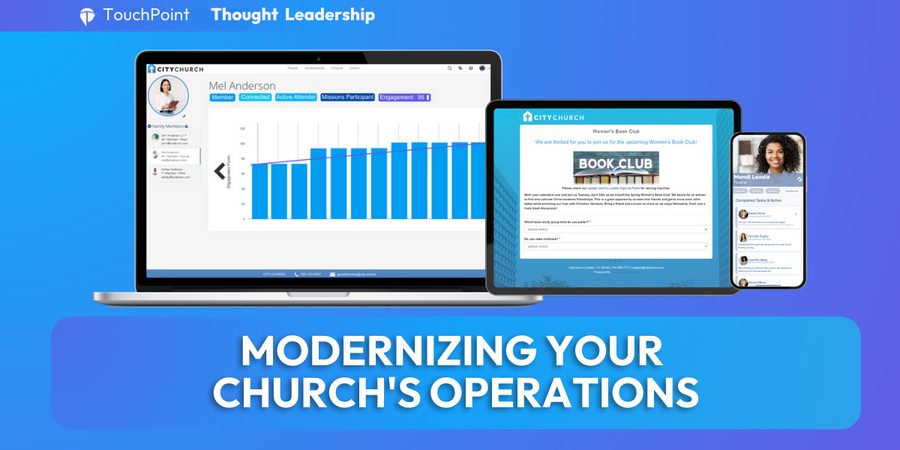
This is where a good church management system shines. If you’re using a ChMS like TouchPoint to track attendance, giving, volunteer involvement, etc., you can analyze these metrics later. For example, you might track how many Christmas visitors eventually became regular attenders or members by Easter. Or see that a majority of those who filled out connect cards in December have since joined a small group. These insights are gold for ministry planning. They tell you what pathways are effective and where people might be dropping off. Ultimately, all this data is in service of discipleship. It’s not about numbers for numbers’ sake – it’s about noticing people and helping them move from curious attendees to committed followers of Christ. As the saying goes, you can’t manage (or minister to) what you don’t measure. So measure what matters, and then put that information to work by loving people intentionally.
Launch Into 2026 With Insight & Intention
When the Christmas decorations come down and January arrives, don’t just sigh with relief that the busy holiday season is over. Take time to review and reflect on the story your December data is telling. Gather your team in early January and look at those attendance figures, new guest counts, and engagement stats. What trends do you see? Perhaps your Christmas Eve attendance was 20% higher than last year – why might that be? Did your community population grow, or did you try a new outreach method? Discuss it. Maybe you noticed an unusually large number of twenty-somethings at the young adult Christmas party – is something attracting them (or is something missing for them the rest of the year that you could address)?
Asking these questions now will set you up for a strong 2026. Use the insights to inform your strategic plan for the new year. For example, if the data shows a big influx of young families in December, maybe prioritize launching that mid-week kids program or parenting class sooner than later. If volunteerism was high during Christmas, maybe those folks are ready to be invited into ongoing serving teams in 2026. Data can illuminate God-given opportunities. It helps you steward the growth He’s sending.
Most importantly, recognize that this past December was not like every other – culturally, we’re in a moment of renewed openness. Churches nationwide have been experiencing growth and new energy over the last couple of years, and your December turnout likely reflects that. So approach the coming year with faith-filled optimism. Rather than assuming any gains will fade, plan as if God is up to something new – because by all indications, He is!
In summary, Christmas gave us a glimpse of what God is doing: drawing people back to His Church. Now it’s on us to follow up, pour into those newcomers, and keep the momentum going. If we collect the right data and pay attention to the story it tells, we can make informed, Spirit-led decisions. We can head into 2026 with clearer vision – knowing who we’re reaching, who we’re missing, and how to better disciple the flock that God is gathering. Look at this like a Christmas like no other – not an endpoint, but a launchpad into a new season of ministry.
Explore TouchPoint
We are the ChMS for discipleship-driven data.
Schedule a FREE evaluation of TouchPoint!