
















Technology Should Strengthen Ministry, Not Complicate It
For church staff at large and growing churches, switching a Church Management System is rarely about features alone. It is about trust. It is about partnership. And most of all, it is about whether the people behind the software understand the weight of ministry decisions, Sunday mornings, volunteer coordination, and discipleship at scale.
Church technology should reduce friction, not add to it. Yet many churches find themselves navigating long support queues, impersonal AI workflows, or training resources that feel disconnected from real ministry life. Over time, the issue becomes clear: software can be powerful, but people make the difference.
The Role Of Partnership In Church Technology Decisions
A Church Management System becomes deeply embedded in the life of a church. It touches attendance, giving, volunteer engagement, pastoral care, and long-term discipleship strategy. Because of that, choosing a ChMS is not a transactional decision. It is a relational one.
Healthy partnerships share three characteristics:
• Mutual understanding of ministry context
• Consistent, human communication
• Long-term investment in church health
When churches evaluate a ChMS, the real question often becomes: Will this vendor walk with us when things are complex, urgent, or unclear?
Why Ministry Experience Changes Everything
Churches operate differently than businesses. Deadlines revolve around Sundays, holidays, and ministry seasons. Volunteers rotate. Staff wear multiple hats. Data decisions are rarely abstract; they affect people, families, and spiritual formation.
When a support or onboarding team has lived inside church environments, conversations change. Questions are framed differently. Solutions account for nuance. There is shared language around ministry rhythms and pressure points.
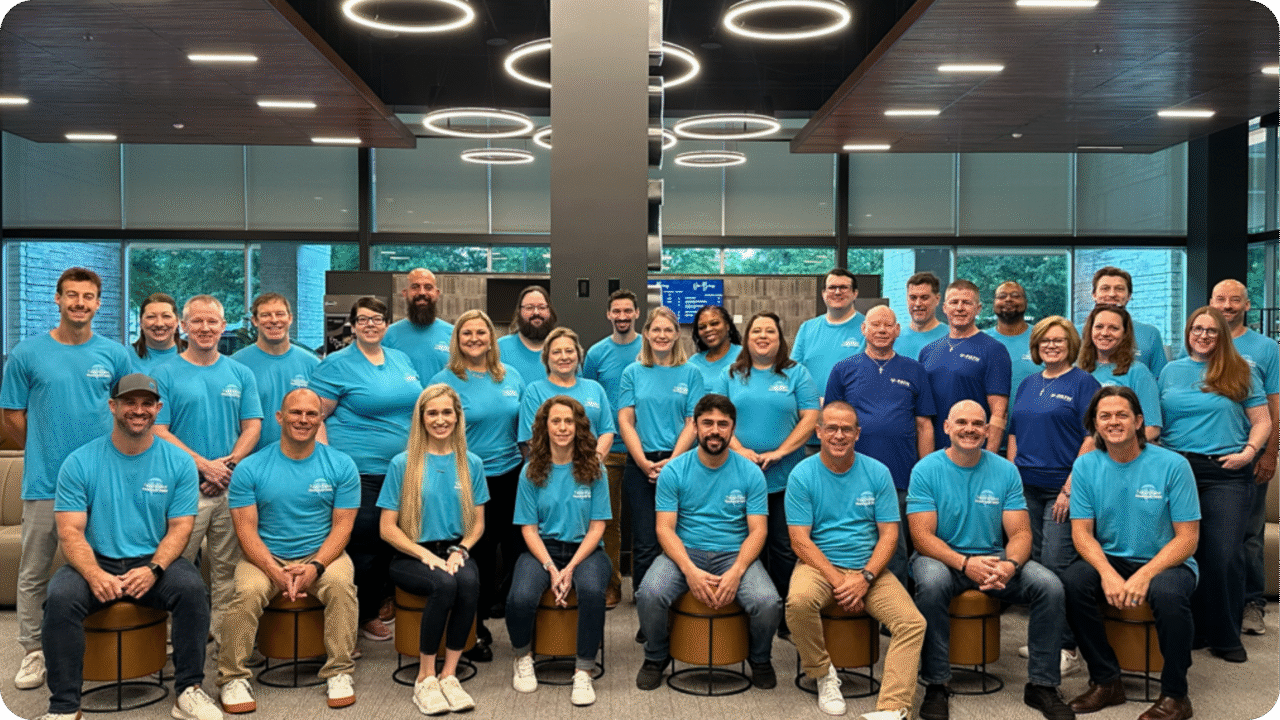
At TouchPoint, many team members have served on church staff or as high-level volunteers. That background shapes everything from onboarding conversations to support responses. It allows TouchPoint to meet churches where they are, not where a generic software model assumes they should be.
Onboarding That Respects The Pace Of Ministry
Switching systems can feel overwhelming, especially for large churches with complex data histories and established workflows. Effective onboarding is not about speed alone; it is about clarity, confidence, and alignment.
Strong onboarding should help churches:
• Understand how data supports discipleship
• Configure systems around real ministry workflows
• Build internal confidence across staff and volunteers
TouchPoint’s onboarding approach is designed to walk alongside church teams, not rush them through a checklist. The goal is not simply to launch software, but to equip churches to steward their data well for long-term ministry impact.
Training That Grows With Your Church
Churches change. Staff roles evolve. Ministries expand. A ChMS should grow alongside those changes rather than locking churches into static learning models.
Ongoing training matters because it:
• Reinforces best practices over time
• Helps new staff integrate quickly
• Unlocks deeper value from existing tools
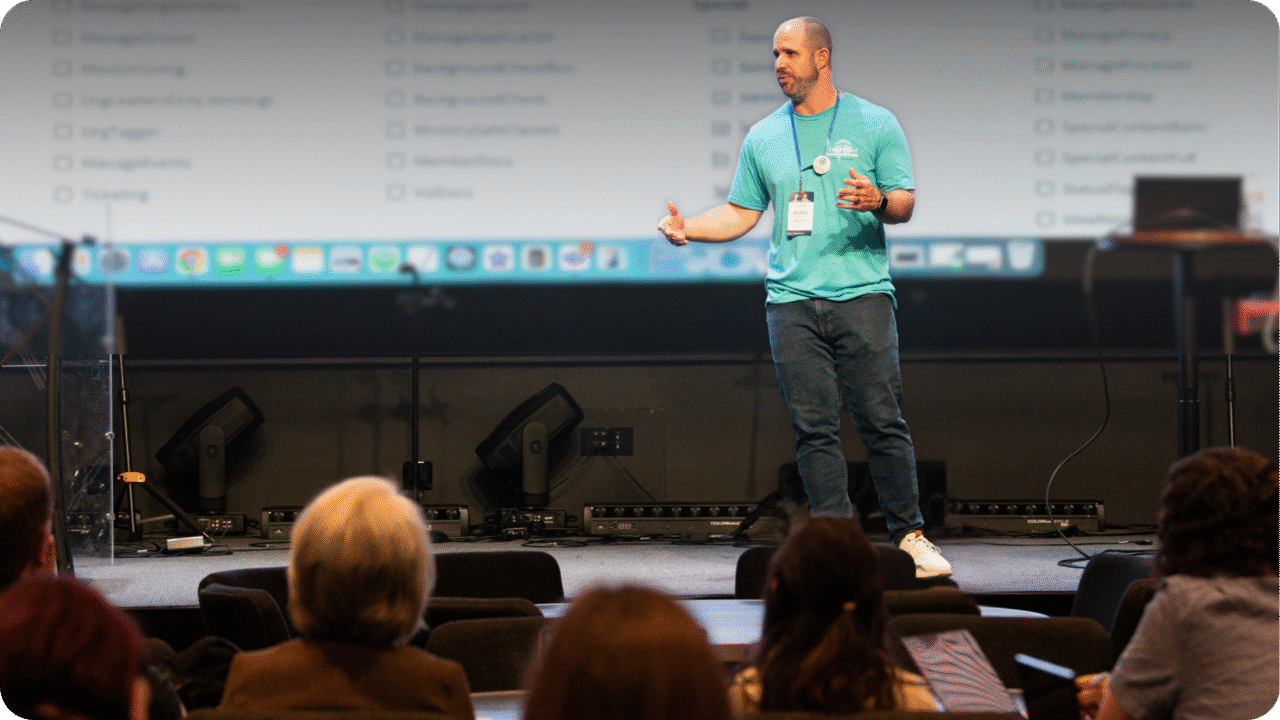
Training becomes most effective when it is relational and contextual. Real conversations allow trainers to adapt guidance to each church’s structure, culture, and priorities. That flexibility is especially important for large churches navigating multiple ministries and campuses.
Support That Feels Human, Not Transactional
In moments of urgency, churches do not need long prompts or automated loops. They need real people who can listen, respond, and help solve problems quickly.
Responsive support is not about efficiency alone; it is about trust. Knowing that someone will answer, follow up, and stay engaged builds confidence across staff teams.
TouchPoint’s support philosophy centers on direct access to real people. No call centers. No handoffs to generic queues. When a conversation needs to move to a Zoom call, that option is available. When clarity is needed, the focus is on collaboration rather than deflection.
This approach is reflected in a 98.3% client satisfaction rate, rooted in responsiveness, clarity, and relationship.
Community As A Strategic Advantage
Large churches often operate with complex systems and distributed teams. Community becomes an overlooked asset in this environment.
A healthy ChMS community provides:
• Shared learning across churches
• Practical insights from real ministry use cases
• Encouragement through common challenges
TouchPoint views its partner churches as part of a broader community rather than isolated users. That mindset shapes training, support, and long-term product direction. Churches benefit not only from software, but from collective wisdom and shared experience.
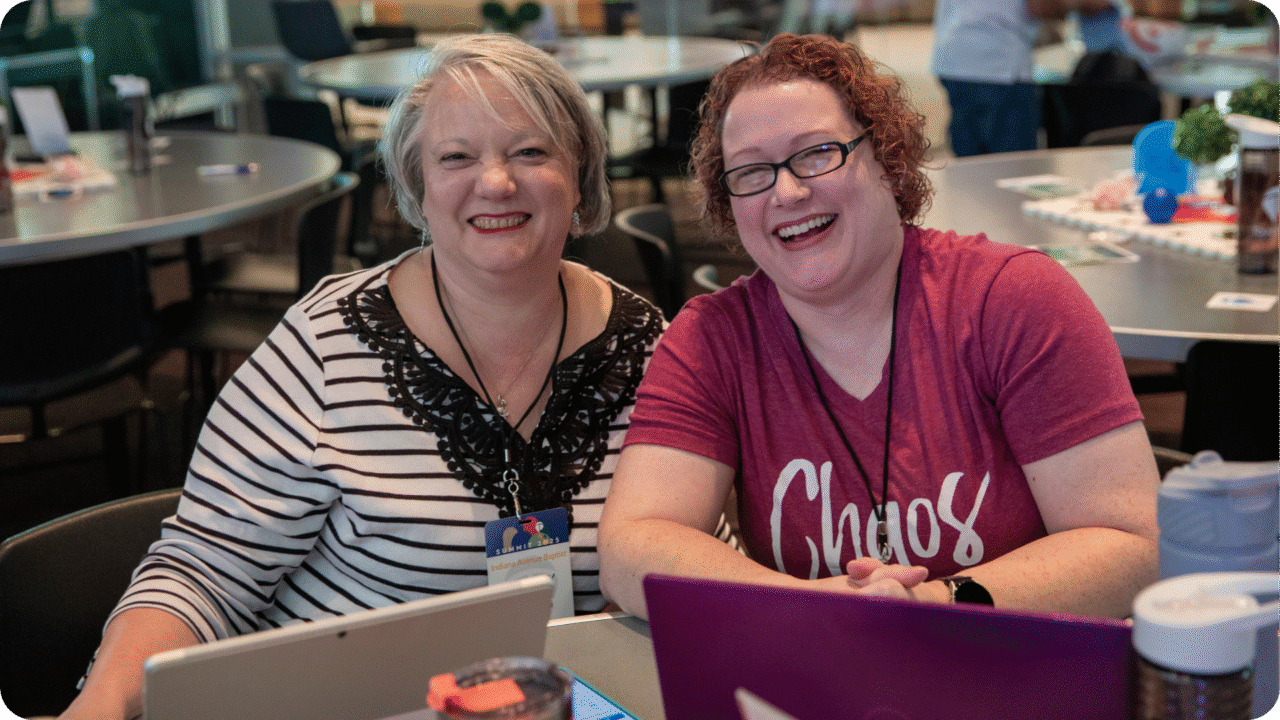
TOUCHPOINT SUMMIT
Our annual Summit is an opportunity for church staff to learn unique ways to utilize TouchPoint and network with others.
Choosing A Partner That Stays Present
As technology evolves, many companies are leaning heavily into automation and AI-first support models. While innovation has value, ministry still requires discernment, empathy, and context.
Church leaders evaluating a ChMS should ask:
• Who will we talk to when something breaks?
• How well does this team understand church life?
• Will this partner stay engaged five years from now?
TouchPoint’s commitment is simple: real people with real ministry experience serving churches with honesty, availability, and care. The goal is not to replace relationships with technology, but to use technology to strengthen relationships within the church.
Software Is A Tool & Partnership Is The Difference
For large churches considering a ChMS switch, the most important features often reveal themselves after launch. Support quality. Training depth. Responsiveness. Trust.
Church Management Software works best when it is backed by people who understand the mission of the Church and are willing to walk alongside staff teams through every season. When that happens, software becomes more than a system. It becomes a support structure for ministry.
If you are exploring what partnership could look like beyond software, TouchPoint exists to serve churches with clarity, care, and community.