























Campus pastors carry a unique kind of leadership weight.
They are shepherds, culture carriers, vision translators, and local ministry leaders all at once. Their job is to help people feel known at one specific campus while staying aligned with the broader mission of a multi-campus church.
That is meaningful work. It is also complex work.
In a healthy multi-campus church, campus pastors are not trying to go rogue. They want alignment, clarity, and shared direction. They also need the freedom and visibility to lead their local campus well.
The challenge is that many churches reach a point where their systems no longer match the complexity of their ministry.
The church has grown. More campuses have launched. Teams have expanded. Processes have multiplied. What once worked now requires extra spreadsheets, manual reports, side conversations, and constant follow-up just to keep everyone on the same page.
For campus pastors, that creates friction.
Not because they resist structure, but because their ministry is deeply relational. When tools make it harder to see people, support leaders, or understand campus health, the system starts working against the very ministry it was meant to support.
Here are five common challenges campus pastors face, and practical ways to combat them.
1. They Can’t See Campus Health At A Glance
Campus pastors are asked to lead with clarity. The information they need is not always easy to find.
They want to know how attendance is trending, whether first-time guests are returning, how many people are moving into groups, which volunteers are serving consistently, where follow-up is needed. Those answers may exist somewhere. But if they are buried in reports, scattered across departments, or dependent on someone else pulling the numbers, campus pastors are left piecing together a picture they should already have.
That slows down decision-making. It also makes ministry feel more reactive than proactive.
The solution is not more data. Campus pastors already have plenty to process. What they need is better visibility.
Custom dashboards can help campus pastors see the most important indicators for their specific campus in one place. Instead of digging through church-wide information, they can quickly view the metrics and ministry activity tied to their local context: attendance trends, guest follow-up, group engagement, volunteer involvement, giving patterns, check-in activity, care needs. The exact dashboard should reflect the questions that matter most to that campus.
When campus pastors can see ministry health at a glance, they lead with more confidence and less guesswork.

2. They Know People Need Follow-Up, But The Process Is Hard To Track
Campus pastors care deeply about people. The challenge is usually not desire. It is consistency.
In a growing multi-campus environment, follow-up is hard to track.
A family may visit for the first time, but their information lives in one system while follow-up notes live somewhere else.
A member may stop attending, but no one notices until several weeks later.
A volunteer may be quietly burning out, but their serving pattern is invisible.
A guest may express interest in a next step, but the handoff between central and campus teams is unclear.
Churches cannot shepherd what they cannot see. These moments are easy to miss when systems are disconnected.
The fix is to establish clear follow-up workflows that connect ministry activity to actual people. When guest records, attendance, check-in, communication, serving, and engagement data are connected, campus teams can respond with more care and consistency. A strong church management system helps campus pastors identify who needs attention, assign next steps, track progress, and make sure people are not falling through the cracks.
This does not replace relational ministry. It supports it.
Follow-up should not depend on memory alone. The right tools help campus pastors turn good intentions into repeatable care rhythms.
3. Volunteer Gaps Are Hard To Spot Before They Become Problems
Every campus depends on volunteers.
They welcome guests, care for children, lead worship, run production, serve students, host groups, and help create the ministry environment each week. Campus pastors often have a strong relational sense of how their volunteers are doing. But a relational sense and a clear picture are not the same thing.
One team may be stretched thin. Another may rely on the same few people every week. Some volunteers may need a break. Others may be ready to serve but have not been invited into the right role. Without visibility, volunteer challenges become obvious only after Sunday is already close.
Volunteer data is a ministry health indicator, not just a scheduling task.
Volunteer scheduling tools help teams see who is serving, where gaps exist, how often people are scheduled, and which ministries need more support. When serving information is connected to the broader church database, campus pastors can understand volunteer engagement as part of a person’s discipleship journey.
Serving is not only about filling roles. It is about helping people use their gifts, build community, and participate in the mission of the church.
When campus pastors have better visibility into volunteer patterns, they can support ministry leaders sooner, encourage faithful volunteers, invite new people into serving, and prevent burnout before it becomes a crisis.

4. Communication Feels Scattered Across Too Many Channels
Communication in a multi-campus church can get complicated fast.
Central teams send church-wide updates.
Campus pastors send local messages.
Ministry leaders communicate with volunteers.
Group leaders contact their members.
Parents need children’s ministry information.
Guests need follow-up. Staff needs internal clarity.
When communication is scattered across disconnected tools, personal contact lists, spreadsheets, and one-off emails, it becomes harder to know whether the right people are receiving the right message at the right time.
A campus pastor may need to reach:
- all active members at their campus
- first-time guests from the past month
- parents who checked in children recently
- volunteers serving this weekend
- people who attended a specific event
If those lists are hard to build or disconnected from current data, communication becomes less personal and more manual. That is not the impression campus pastors want to leave.
The solution is connecting communication to the church database. When communication tools are tied to accurate records and real ministry involvement, campus teams can send more relevant messages with less guesswork. People receive information that actually applies to them.
For a campus pastor, this supports one of the most important goals in multi-campus ministry: helping people feel known locally, even inside a larger church.
5. Local Ministry Needs Flexibility, But The Church Needs Alignment
Campus pastors live in a real tension.
They are responsible for leading their campus in a way that reflects the larger church’s mission, vision, and values. At the same time, each campus has its own people, pace, needs, and opportunities. One campus may be growing quickly with young families. Another may have a strong volunteer culture but need better group engagement. Another may be navigating a leadership transition or community outreach opportunity.
Healthy multi-campus ministry requires both consistency and flexibility. The challenge comes when systems lean too far in one direction.
If everything is overly centralized, campus pastors do not have enough visibility or room to lead locally. If everything is too decentralized, the church struggles with inconsistent processes, disconnected data, and unclear reporting.
The way to combat this is with a shared system that supports local ministry.
Campus-specific permissions, dashboards, reporting, workflows, and communication tools help campus pastors focus on their context while keeping the church aligned around one reliable source of truth. Executive Pastors and central teams can see the broader picture. Campus teams can access the information they need to lead well.
At a certain point, the question is not whether your ChMS can technically support multiple campuses. The better question is whether it helps each campus lead with clarity, care for people consistently, and stay aligned with the whole.

Better Systems Support More Relational Ministry
Campus pastors are relational leaders. They want to know people, develop leaders, care for families, support volunteers, and help their campus become a healthy expression of the church’s mission.
The right systems should make that easier, not harder.
When campus pastors have visibility into campus health, follow-up, volunteer engagement, communication, and local ministry needs, they lead with more confidence and less friction. When executive pastors have reliable church-wide reporting and consistent processes, they can support every campus with greater clarity.
That is where multi-site church software can make a meaningful difference.
TouchPoint helps multi-campus churches bring people, data, and ministry tools together in one connected system. Campus pastors can benefit from customizable dashboards, campus-specific visibility, engagement insights, volunteer scheduling, check-in, communication tools, reporting, and access controls that support complex ministry environments.
The goal is not to make ministry feel more technical. The goal is to help churches use better tools so relational ministry can happen with more clarity, consistency, and care.
If your church has been multi-campus for a while and your systems feel harder to manage than they used to, it may be time to consider what better support could make possible.
Request a demo with one of our Solutions Experts to learn more about how TouchPoint supports campus pastors and multi-campus churches.
About The Author
Ronee de Leon serves on the Senior Leadership Team at TouchPoint as Executive Director of Partner Success. She helps churches strengthen ministry effectiveness through better systems, strategy and engagement.
Prior to TouchPoint, she spent nearly a decade serving at a large multi-site megachurch, where she led through significant church growth and expansion. Having helped support campus launches and ministry through the realities of multisite growth, Ronee brings both lived ministry experience and a broad perspective gained from partnering with churches nationwide.

A surprising trend is getting the attention of church leaders: young men are showing renewed interest in faith and church involvement.
Recent Gallup data reports that 42% of men ages 18–29 say religion is “very important” in their lives, a sharp increase from 28% in 2022–2023. For the first time in 25 years of Gallup tracking, young men have surpassed young women in this measure of religiosity. Church attendance among young men has also increased, creating an important moment for churches to pay attention.
But the most important question for your church may not be, “Is this happening nationally?”
It may be, “Is this happening here?”
For large and growing churches, that question can be surprisingly hard to answer. People are walking through the doors every week. New guests are filling out forms. Young adults are attending services, joining groups, serving on teams, and sometimes slipping away quietly after a few Sundays. In a complex ministry environment, the opportunity may already be present before anyone realizes it.
That is where ministry data becomes more than a reporting tool.
It becomes a way to see people clearly.
A National Trend Should Spark Local Curiosity
National trends can be helpful, but they should not replace local discernment.
Your church may be seeing an increase in young men attending for the first time.
You may be seeing young adult men move from occasional attendance to deeper involvement.
Or you may discover that the national trend is not showing up in your context yet.
Each possibility is worth paying attention to because each one can help your team make more thoughtful ministry decisions.
The danger for large churches is not usually a lack of activity. It is a lack of visibility. When ministry is moving quickly, staff teams can be surrounded by people and still miss patterns. A young man may visit three times without being meaningfully connected. A group of college-aged men may begin attending regularly without ever landing in a small group. A new believer may be ready for discipleship, but no one has enough context to know where he is in his faith journey.
This is why churches need more than attendance totals. They need ministry insight.

Churches Need A Clearer Picture Of Who Is Walking Through The Door
Churches often have strong systems for young families. That makes sense. For many years, much of the guest experience has been built around parents, children, check-in, safety, and family ministry. Those systems are still essential.
But a 24-year-old single man walking in by himself may experience church very differently than a young family arriving with kids.
He may not be looking for childcare. He may not know where to sit. He may not naturally fill out a connection card. He may be curious about faith but unsure how to ask questions. He may want purpose, belonging, mentorship, or a place to serve. He may be surrounded by people and yet, still feel invisible.
That does not mean churches need to abandon their family-focused systems. It means churches may need to evaluate whether their current pathways also serve young men who are exploring faith, returning to church, or seeking deeper community.
The first step is not creating a new program. The first step is looking at what is already happening.
Look For Patterns, Not Assumptions
Before your church launches a new initiative or adjusts your young adult/mens’ ministry strategy, take time to look at what your data is already telling you.
Are young men showing up for the first time? Are they returning? Are they getting connected beyond worship attendance? Are there places where they are quietly dropping off before someone has a chance to follow up?
You do not need every answer right away. But you do need enough visibility to know whether your church is seeing a ministry trend, a ministry opportunity, or a data gap.
Before asking, “What should we launch?” ask, “What are we seeing?”
Here’s a simple table to help guide you through what your data is saying and what your next step may be. Each situation leads to a different ministry response.
| What The Data Shows | What It Could Mean | Ministry Opportunity |
|---|---|---|
| Young men are visiting but not returning. | They may be curious but not yet connected. | Strengthen your guest follow-up with a clear, personal invitation to take a next step. |
| Young men are attending worship but not joining groups. | They may not know where they fit. | Clarify your connection pathways for young adult men who are single, new, or exploring faith. |
| Young men are joining groups but not serving. | They may be building relationships but haven’t been invited to serve. | Invite them into meaningful serving roles tied to purpose, ownership, and spiritual growth. |
| Young men are serving but not known by ministry leaders. | They may be participating without being personally discipled. | Equip leaders to notice, encourage, and shepherd the men on their teams. |
| Your team cannot confidently see actionable data. | Your data may not be clean, complete, or connected. | Review your systems and processes so your ministry teams can see trends sooner and respond wisely. |
Reevaluate The Experience For Young Men
Once your church has a clearer picture of the data, it may be time to evaluate the experience itself.
Consider the full journey:
- When a young man visits your church, does he know where to go?
- Does your messaging speak to purpose, identity, calling, friendship, and spiritual growth?
- Are there clear next steps for someone who is not married, does not have children, and may not know anyone?
- Are there men in your church who are equipped to mentor, disciple, and walk alongside younger men?
- Do your small groups, serving teams, and newcomer pathways make room for young adult men who are exploring or rebuilding their faith?
- Is your follow-up process personal enough to invite a real conversation?
Churches do not need more complexity for the sake of complexity. They need clear pathways that help people move from anonymous attendance to known discipleship.
Turn Data Into Discipleship Action
The opportunity in front of churches is not merely demographic. It is deeply pastoral.
If young men are becoming more open to faith, churches have an opportunity to respond with warmth and intentionality. That response may include stronger first-time guest processes, better young adult pathways, renewed men’s ministry strategy, mentorship opportunities, serving invitations, and more thoughtful follow-up.
But for large churches, the first ministry move may be visibility.
Can your team see who is new?
Can you identify who is returning?
Can you tell who is connected and who is drifting?
Can ministry leaders recognize trends early enough to respond before the opportunity passes?
A healthy church database should not simply store information. It should help your team notice people, understand movement, and make wise ministry decisions.
A Moment Worth Paying Attention To
The renewed interest among young men should not be treated as a quick headline or a passing cultural conversation. It is an invitation for churches to pay closer attention.
Some churches may discover they are already seeing this trend. Others may realize they have a ministry gap. Still others may find that their data is not clear enough to answer the question yet.
Each discovery is valuable.
For large churches, the challenge is not whether people are present. The challenge is whether people are seen. Young men may already be walking through your doors, sitting in your services, joining your groups, and wondering whether there is a place for them to be known, challenged, and discipled.
Your data can help you notice them.
Your strategy can help you reach them.
Your church can help them take their next faithful step.
The Young Adult Men Ministry Audit
Download this free resource to help your team identify how many young men are in your system, how recently they have been added, how they are engaging, and where your church may have opportunities to strengthen follow-up, discipleship, and ministry pathways.
"*" indicates required fields
About The Author
Matt Brown is a Software Evangelist at TouchPoint with a background as a Small Group Director, Database Administrator, & Production Coordinator, giving him firsthand insight into the everyday challenges church staff face. He’s passionate about equipping churches with practical tools and strategies that support discipleship and meaningful connection. Matt lives in Colorado with his wife and two daughters and serves his church by leading a small group, singing on the worship team, and helping organize the annual men’s retreat.

Church leaders care deeply about people.
That’s not the problem.
Most pastors, ministry staff, and key leaders are not lacking compassion. They are not sitting around hoping someone else will notice the person who is drifting, the family that quietly stopped attending, or the volunteer who is beginning to burn out.
The issue is not care. It is visibility.
In most churches, leaders cannot see clearly enough to respond in time.
That distinction matters.
Many churches say they want better follow-up. They want to reach out more consistently. They want to care for people in a way that feels personal, pastoral, and meaningful. Those are good desires, but they sit downstream from the real challenge.
Church leaders, you cannot shepherd what you cannot see.
That is why I come back to a framework shaped by patterns I’ve seen across churches of every size. Every church is already operating within one of these stages. Most just don’t have language for it.
The 4 C’s Of Data-Driven Discipleship:
Conviction
Collection
Clarity
Care
These are not abstract ideas. They form a progression, and for most churches, the pipeline breaks long before care ever happens.
If we are going to lead people well, it will take more than good intentions. It will take rhythms that help us see people clearly, understand what is happening in their lives, and respond with purpose.
Conviction Comes First
Before a church improves a process, it needs a shared belief.
Leaders have to believe that seeing people early is part of shepherding. Noticing is not administrative work detached from ministry. It is ministry. It is one of the ways we love people well.
But conviction does not stop there.
Leaders also must believe that data can be a meaningful tool in that work. Not as a replacement for relationship, but as a way to see what would otherwise go unnoticed. When used well, data does not distance us from people. It helps us pay attention to them.
For some churches, this is the first shift that needs to happen. They may already have information somewhere, but they have not yet built a culture that treats visibility as a pastoral responsibility. Instead, they rely on memory, instinct, or the assumption that people will raise their hand when they need help.
Sometimes they do. Many times, they do not.
People drift quietly. They disengage gradually. They stop attending before anyone realizes they are gone. They move from connected to discouraged without ever announcing it.
Shepherding gets stronger when leaders stop waiting for a crisis and start paying attention earlier, and when they are willing to use the tools that help them do it.
That is why conviction matters. It grounds the rest of the work.

Collection Needs To Be Meaningful
Once a church believes this matters, the next question becomes: what are we actually paying attention to?
Collection is not about obsessing over numbers. It is about capturing meaningful ministry signals that reveal where people are and how they are engaging.
That may include attendance, group involvement, serving, giving, registration activity, or other indicators that help leaders understand whether someone is moving toward deeper connection or beginning to slip through the cracks. The goal is not to reduce people to data points. It is to surface patterns that would otherwise go unseen.
This is where many churches quietly break down.
The information often exists, but it is scattered. Reporting is manual. Different ministries are tracking different things. Staff members each hold pieces of the story, but no one can see the whole person.
So, the team does what they can. They rely on conversations, memory, and instincts to fill in the gaps.
That is not a system. That is guesswork.
And guesswork usually catches people too late.
Meaningful collection changes that. It creates conditions for timely care. It moves churches from “I had no idea” to “I’m glad we caught that early.”
Clarity Is The Hinge
This is where many churches get stuck.
They have conviction.
They are collecting data.
But leaders still cannot see what actually matters, or what requires action.
So, information stays information. It never becomes insight.
“Clarity is the hinge between data and discipleship.”
A report is not the goal. A dashboard is not the goal. A list of names is not the goal.
The goal is simple: helping leaders understand what they are seeing and what they should do next.
Who is new?
Who is drifting?
Who is disconnected?
Who might need encouragement, a conversation, or a personal invitation back into community?
If leaders cannot answer those questions quickly and confidently, the system is not creating clarity. It is creating noise.
And noise gets ignored.
When information is hard to find, hard to understand, or too overwhelming to interpret, it sits unused. Not because leaders do not care, but because the signal is buried.
Churches do not need more data. They need visibility that leads somewhere.
Clarity is what turns insight into action.
Clarity is what makes care possible.
Care Is Still The Point
This is where all of it should lead:
A phone call.
A text.
A conversation after service.
A leader reaching out because they noticed a change and chose to step in.
Care is the point. It always has been.
But care does not happen by accident. It is not sustained by sincerity alone. Care is built on rhythms, supported by systems, and reinforced through shared follow-through.
This is what it looks like when insight turns into action.
When leaders see clearly, they respond intentionally, and when that happens, people feel it.
They feel seen.
They feel supported.
They experience the Church not just as a place they attend, but as a body that sees them and cares.
That kind of care carries weight.
It reaches people before they know how to ask for help.
Two Multipliers that Sustain The Work
There are two multipliers that often determine whether this actually works.
The first is coaching.
Many staff members and volunteers care deeply, but they are not always confident initiating shepherding conversations. They do not know how to begin. They worry about saying the wrong thing. They sense the need but hesitate in the moment.
So, care stalls.
Care without coaching is clumsy.
Teach your team how to navigate shepherding calls well.
Coaching helps leaders grow in both confidence and competence. It gives them language, posture, and practice. Care is not just a natural empathy some have. It is a responsibility and a skill that can be developed and strengthened over time.
The second multiplier is consistency.
This is where many churches quietly break down.
Not because people do not care, but because good intentions are not a system. Without clear ownership and simple rhythms, follow-through becomes optional.
Without consistency, care becomes rare.
Consistency is not about pressure for pressure’s sake. It is about clarity, ownership, and encouragement. It creates regular moments where leaders can see, respond, and follow through together.
When those rhythms are in place, something shifts.
Care moves from reactive to intentional.
From occasional to consistent.
And over time, that consistency builds trust.
Start With A Free Church Health Assessment
Church leaders are carrying a lot. It can be difficult to know where to focus first.
The Church Health Assessment gives you a simple starting point. In a matter of minutes, you can step back, evaluate key areas of church health, and gain perspective on where your ministry is strong and where more attention may be needed.
Whether you are assessing engagement, structure, follow-up, or broader discipleship rhythms, this is a practical first step toward healthier ministry.

A More Faithful Way to Steward God’s People
This conversation matters because many churches are trying to solve the right problem at the wrong point in the process.
They are asking, “How do we care better?” That is a worthy question, but the more honest question is, “Can we clearly see the people we are called to shepherd?”
If the answer is no, the next step is not shame. It is clarity.
Start with conviction. Build meaningful collection. Create clarity that turns insight into action. Then follow through with care.
This is not cold leadership. It is faithful leadership.
It is not replacing shepherding with systems. It is building systems that support shepherding.
To steward people well, we have to be willing to see them when they need us most.
In a time when many leaders feel stretched, reactive, and overloaded, that kind of clarity is not a burden. It is a gift.
So start by identifying where things are breaking down at your church.
Is conviction missing?
Is collection inconsistent or unfocused?
Do you have information without clarity?
Or insight without ownership to follow through?
Wherever the friction is, that is where the work begins, and often, it is where the breakthrough is waiting.
About The Author
Ronee de Leon serves on the Senior Leadership Team at TouchPoint and brings deep ministry experience, a heart for the local church, and a passion for helping leaders care for people well.
We are grateful for the wisdom she shares with churches and for the way she equips leaders to think more clearly about shepherding, follow-up, and discipleship in a complex ministry environment.
The 4 C’s of Data-Driven Discipleship is a framework developed by Ronee de Leon.
We encourage you to connect with her on LinkedIn and Instagram as the source of this valuable resource.
Seeing People, Not Just Profiles
When you think about your church database, it can be easy to reduce it to numbers, profiles, and attendance logs. But behind every record is a person. A story. A moment where someone stepped into your church (whether for the first time or the hundredth).
And that changes everything.
Because your database is not simply a tool for organization. It is a reflection of your ministry. It tells the story of who has come, who has stayed, who has served, and even who has drifted away.
So the question becomes: are you stewarding that story well?
Every Record Tells A Story
In large churches especially, it is easy for people to feel like they are one of many. But your database gives you the opportunity to do the opposite: to remember, to recognize, and to respond personally.
A family attends for six months. They belond in a small group. Their kids check in every Sunday. Then, life happens. A move. A hardship. A season of disconnection.
Months later, they walk back through your doors. Now imagine two different responses:
“Thanks for visiting us today.”
“Welcome back. We’ve missed you.”
Only one of those acknowledges their story. And that difference comes down to your data.
When you keep complete records, you are not holding onto information. You are holding onto context. You are preserving the ability to shepherd people well, even after seasons of absence.

The Hidden Cost Of Deleting Records
Many church management systems unintentionally create a difficult tension. As your database grows, so do your costs. And when pricing is tied to total records, staff are often forced into an uncomfortable decision:
Do we keep this data, or do we delete it to save money?
Over time, this can lead to:
- Loss Of Historical Giving & Engagement Data
- Incomplete Discipleship Journeys
- Duplicate Records When People Return
- Missed Opportunities For Meaningful Reconnection
More importantly, it subtly shifts the mindset of your team. Instead of asking, “How can we care for people well?” the question becomes, “Which records can we afford to keep?”
That is not a tension your team should carry.
Why A Clean Database Still Matters
Keeping records does not mean keeping clutter.
A healthy database is both complete and organized. Especially in larger churches, where thousands of people may be interacting with your ministry, clarity matters.
When your database is clean, your team can quickly identify who is actively engaged and who may be slipping through the cracks. Church communication becomes more intentional because you are reaching the right people at the right time. It also allows you to see what is working in your ministry, track effectiveness over time, and make confident, data-informed decisions without second-guessing the accuracy of your reports.
Without that structure, even the most robust database becomes difficult to use. Information gets buried, reports become unreliable, and over time, staff begin to lose trust in the system altogether.
So the goal is not simply to keep everything. The goal is to keep everything well.
See How TouchPoint Helps You Steward Every Story
Your database should help you care for people, not create more work. See how TouchPoint makes it easy to keep records organized, accessible, and meaningful as your church grows.

Archiving: The Better Way To Manage Your Data
This is where archiving becomes essential.
Instead of deleting records, archiving allows you to:
- Hide Inactive Individuals From Regular Reporting
- Preserve Their Full History Within Your System
- Keep Your Active Database Clean & Focused
- Restore Records Easily When Someone Re-engages
Think of archiving as stewardship, not storage.
You are acknowledging that while someone may not be currently active, their story with your church still matters. Their past involvement still has value. And their future return is always possible.
Because in ministry, people rarely follow a straight line.
A Ministry Perspective On Data Stewardship
Jesus often spoke about the one—the single sheep that wandered (Luke 15). In large churches, the reality is that there are many “ones” at any given time, each with their own story, season, and connection to your church.
Your database helps you hold those stories together at scale.
When someone returns after years away, their previous involvement matters more than we sometimes realize. The group they once belonged to, the ministry they served in, the relationships they formed, and the milestones they experienced all shape how they reconnect. Without that history, every return can feel like starting over. With it, you have the opportunity to continue the story instead of resetting it.
That is the difference between transactional communication and true pastoral care.
It allows your team to respond in a way that feels personal and intentional—to say, “We remember you. You belong here. You were missed.”
And that kind of care builds trust in a way that no system alone ever could.
Scaling Without Losing The Personal Touch
As your church grows, so does the complexity of managing people, ministries, and communication. Growth is exciting, but it also introduces new challenges.
How do you maintain personal connection at scale? Part of the answer lies in how your database is structured.
When your system allows for unlimited records (while only charging based on active engagement) you remove unnecessary friction from your team’s workflow.
Instead of managing data limits, your team can focus on:
- Engaging New Guests
- Following Up With Consistency
- Supporting Volunteers
- Identifying Discipleship Opportunities
You are no longer forced to choose between growth and stewardship. You can do both.

Fair Pricing That Supports Ministry
A scalable approach to database management recognizes an important truth: not every record represents current activity—but every record represents a person who has been part of your church’s story.
When church management software pricing is aligned with active records instead of total records, it changes the way your team interacts with your database. You no longer have to weigh the value of keeping someone’s history against the cost of storing it. Instead, you can retain a complete picture of your ministry over time while keeping your day-to-day data focused and organized.
This kind of model supports long-term data retention without penalty, encourages healthy practices like archiving instead of deleting, and allows your system to grow alongside your church in a sustainable way.
The result is a healthier environment for your team. You are not managing limits or making trade-offs between cost and care. You are simply stewarding the people God has entrusted to your church with clarity and confidence..
Focusing On What Matters Most
At the end of the day, your church database should serve your mission, not complicate it.
You already carry the weight of shepherding a large and diverse congregation. Your time, energy, and attention are best spent caring for people, not managing system limitations.
When your database supports:
- Unlimited Record Storage
- Clean & Organized Data With The Ability To Archive
- Scalable Pricing Based On Active Engagement
…it frees your team to focus on what matters most.
People.
Because every name in your system represents someone God has entrusted to your church, whether for a season or a lifetime.
And their story deserves to be remembered.
About The Author
Matt Brown is a Software Evangelist at TouchPoint with a background as a Small Group Director, Database Administrator, & Production Coordinator, giving him firsthand insight into the everyday challenges church staff face. He’s passionate about equipping churches with practical tools and strategies that support discipleship and meaningful connection. Matt lives in Colorado with his wife and two daughters and serves his church by leading a small group, singing on the worship team, and helping organize the annual men’s retreat.
Considering A Church Community Builder (CCB) Alternative?
Many churches that once relied on Church Community Builder (commonly referred to as CCB and is now part of Pushpay’s ChurchStaq platform), are reevaluating their church management systems as their ministry needs grow.
Some are looking for better reporting, less integrations, more responsive support, or greater customization.
This case study shares the testimonies of how three churches successfully transitioned from CCB to TouchPoint Software and what they learned along the way.
Why Churches Are Exploring Alternatives To CCB
While Church Community Builder served many ministries well for years, some churches have begun evaluating alternative church management platforms as their operational needs have evolved.
Common reasons include:
- Reporting Limitations In CCB
- Disconnected Communication Tools
- Limited Customization Without Development Resources
- Transactional Vender Dynamic That Feel Less Relational
For churches navigating these challenges, the decision to explore a new church management software often comes down to one key question:
Does our current technology support our future ministry vision?
That question led Highpoint Church, RockPointe Church, and Grace Church to begin evaluating alternatives.
Why These Churches Moved From CCB To TouchPoint
Highpoint Church (IL), RockPointe Church (TX), and Grace Church (OH) faced mounting frustrations with Church Community Builder (CCB). From clunky reporting to poor vendor support, these challenges hindered ministry effectiveness. Their move to TouchPoint wasn’t just a software upgrade; it was a strategic pivot toward customization, relational support, and operational clarity. This case study explores their decision-making process, implementation journeys, and lessons learned.
Meet The Church Leaders Behind The Transition

Jessica Siri – Director of Operations, RockPointe Church
Led a year-long implementation with a 15-person internal team

Jodi Elliott – Executive Director of Administration, Highpoint Church
Oversaw migration from CCB to TouchPoint across five campuses

Leigh Ann Hradil – Director of Ministry Operations, Grace Church
Spearheaded a high-speed migration under intense time pressure
What Prompted These Churches To Leave CCB?
Highpoint Church: Reporting Limitations And Lack Of Integrated Communication
“CCB was really clunky… nothing was auto-recorded.” — Jodi Elliott
RockPointe Church: Declining Support And Stagnant Innovation Post-Acquisition
“We needed a relationship, not just a vendor.” — Jessica Siri
Grace Church: Abrupt Sunset Of Merchant Provider Triggered An Urgent Migration
“We migrated in under six weeks… I lost zero givers.” — Leigh Ann Hradil
How Each Church Evaluated A New Church Management System
- Highpoint Googled options, watched demos, and prioritized texting integration.
- RockPointe compared Rock, Realm, and Planning Center, focusing on cultural fit and reporting.
- Grace narrowed to systems capable of multi-site support, ultimately choosing TouchPoint for its vault import capability.
The Transition Experience: Three Churches, One Turning Point
“I had six weeks to move nine campuses and 1,500 givers, or lose them.”
It was late August in Akron, Ohio, and Grace Church’s operations team was staring down an impossible deadline. Their merchant provider was sunsetting, and the clock was ticking. For Leigh Ann Hradil, the stakes were clear: pull off a migration in record time or risk losing the lifeblood of their ministry, recurring donors.
Meanwhile, hundreds of miles away in suburban Chicago, Jodi Elliott was fighting a different battle. At Highpoint Church, reporting had become a scavenger hunt. “CCB was really clunky,” she recalls. “Nothing was auto-recorded, and every report felt like a puzzle.”
Across the country in Texas, Jessica Siri was assembling a war room at RockPointe Church, determined to lead a year-long migration with military precision.
Three churches. Three stories. One common theme: frustration with a system that had stopped serving the mission.
See The Full Picture Of Your Church
Many large churches begin exploring new systems when reporting becomes difficult and ministry data lives in too many places. TouchPoint brings attendance, giving, involvement, and communication data together so your leadership team can see what is happening across every ministry.

When The System Stopped Supporting The Mission
For years, Church Community Builder (CCB) was a trusted tool. But after its acquisition by Pushpay being homogenized into the ChurchStaq platform, cracks began to show. Updates slowed. Support became impersonal. Costs climbed.
Jessica summed it up:
“It started to feel like sending a request out into the abyss and hoping for traction.”
The pain points were universal:
- Reporting That Required Endless Exports And Manual Manipulation
- Communication Tools That Didn’t Integrate
- A Lack Of Customization Without Hiring Developers
- Vendor Relationships That Felt Transactional, Not Collaborative
As TouchPoint Software entered the picture as a lifeline, all three found what they were looking for: customization without complexity, comprehensive ministry tools, and a team that truly cares.
Building A Future-Ready Church Management System
In Flower Mound, Texas, RockPointe took a unique approach. Jessica formed a 15-person implementation team and launched what she calls “war room week.”
“We reserved the right to get smarter,” Jessica laughs, recalling the countless pivots her team made during implementation.
Her strategy was meticulous:
- Print The Entire TouchPoint Knowledge Base
- Conduct Months Of Meetings To Align Divisions, Involvements, And Programs
- Push Back The Launch Date To Accommodate Mission Trips And Staff Schedules
The payoff? A system that scales with RockPointe’s complex ministry model and delivers real-time insights.
Migrating From Church Community Builder Without Losing A Single Donor
Back in Ohio, Leigh Ann was living a nightmare scenario. Grace Church had just onboarded 1,500 new giving families when a Pushpay salesperson casually revealed their merchant provider would be discontinued.
“I had six weeks to move nine campuses and 1,500 givers, or lose them,” Leigh Ann says.
The decision was swift. TouchPoint was the only system capable of importing their giving vault, a feature that meant zero donor loss.
“We remapped everything in three days,” Leigh Ann recalls. “Most people take months.”
The migration wasn’t perfect. But the relationship with TouchPoint’s leadership made all the difference.

Better Visibility Into Ministry Engagement
In Naperville, Illinois, Jodi Elliott led Highpoint’s migration almost single-handedly, a testament to TouchPoint’s intuitive design.
Her approach was hands-on and relentless:
- Map Thousands Of Records Between Two Systems
- Build Custom Training To Supplement The Official Videos
- Create Dashboards To Measure Progress And Identify Gaps

What These Three Churches Learned After Leaving CCB
Despite different timelines and tactics, the outcomes converged into clear operational wins:
- Highpoint: Centralized Communication And Improved Visibility Into Member Engagement
- RockPointe: Built Internal Expertise And Streamlined Onboarding
- Grace: Preserved Donor Relationships With Zero Loss During Migration
Across all three, cultural alignment emerged as the ultimate differentiator.
“They listen, they care, and they’re committed to improving,” Jessica says. “That’s rare in this space.”
Looking Ahead: Ministry Fueled By Better Data
Today, Highpoint, RockPointe, and Grace aren’t just managing data; they’re shaping ministry with confidence. TouchPoint isn’t just software; it’s a partner in mission. When technology aligns with vision, transformation happens. And for these churches, the future looks wide open.
Many churches discover their technology limitations gradually—often through reporting challenges, disconnected tools, or growing administrative complexity.
If your team has experienced similar frustrations with Church Community Builder (or the Pushpay/ChurchStaq platform), it may be worth exploring what a more flexible system could make possible for your ministry.
Considering A Move From CCB?
If your church is currently using Church Community Builder, exploring alternatives can help you evaluate whether your current software still supports your ministry goals.
Many churches begin by asking:
- Do We Have Clear Visibility Into Engagement And Discipleship?
- Can Our Reporting Support Data-Driven Decision Making?
- Does Our Software Scale With Our Church’s Complexity?
- Do We Have A Partner Who Understands Church Operations?
Highpoint, RockPointe, and Grace each found answers to these questions through their transition to TouchPoint.
See What TouchPoint Could Look Like For Your Church
Frequently Asked Questions About Moving From CCB
Many churches appreciate the foundation Church Community Builder provided, but some have experienced challenges with reporting flexibility, customization, and support responsiveness.
Migration timelines vary depending on many factors including data complexity and church size. But CCB migrations are common to TouchPoint and not as stressful as many expect.
Some giving platforms support secure vault transfer processes that allow recurring donors to remain active during migration.
A TouchPoint demo is completely free. Our goal is to help your team explore whether the platform aligns with your church’s ministry needs and operational goals.
Most TouchPoint demos last between 60 and 75 minutes. This allows time to walk through the platform and reserve space at the end for questions from your team.
A demo typically includes a high-level overview of the entire TouchPoint system. We often tailor the walkthrough to your church’s specific ministry priorities, so feel free to share what matters most to your team ahead of time.
Church financial stewardship is far more than balancing budgets or paying bills—it’s a meaningful expression of trust, integrity, and mission. When your congregation gives, they’re not simply dropping money into a bucket. They’re investing in Kingdom impact, believing their resources will be used wisely and purposefully. That makes stewardship one of the most significant responsibilities a church carries.
Stewardship shapes how your church advances its mission and deepens relationships with the people you serve. Below are five key ways churches can ensure they are stewarding donations faithfully and effectively.
5 Ways Churches Can Build Trust With Their Givers
1. Ground Stewardship In Biblical Truth
Church financial stewardship begins with the recognition that everything belongs to God (Psalms 24:1) and we are merely managers of His resources. This mindset reshapes how financial decisions are made and ensures spending aligns with what is most God-honoring. The Parable of the Talents reminds us to steward resources actively: investing for growth, taking wise risks for Kingdom impact, and avoiding fear-based decision-making.
2. Build Confidence Through Transparency & Integrity
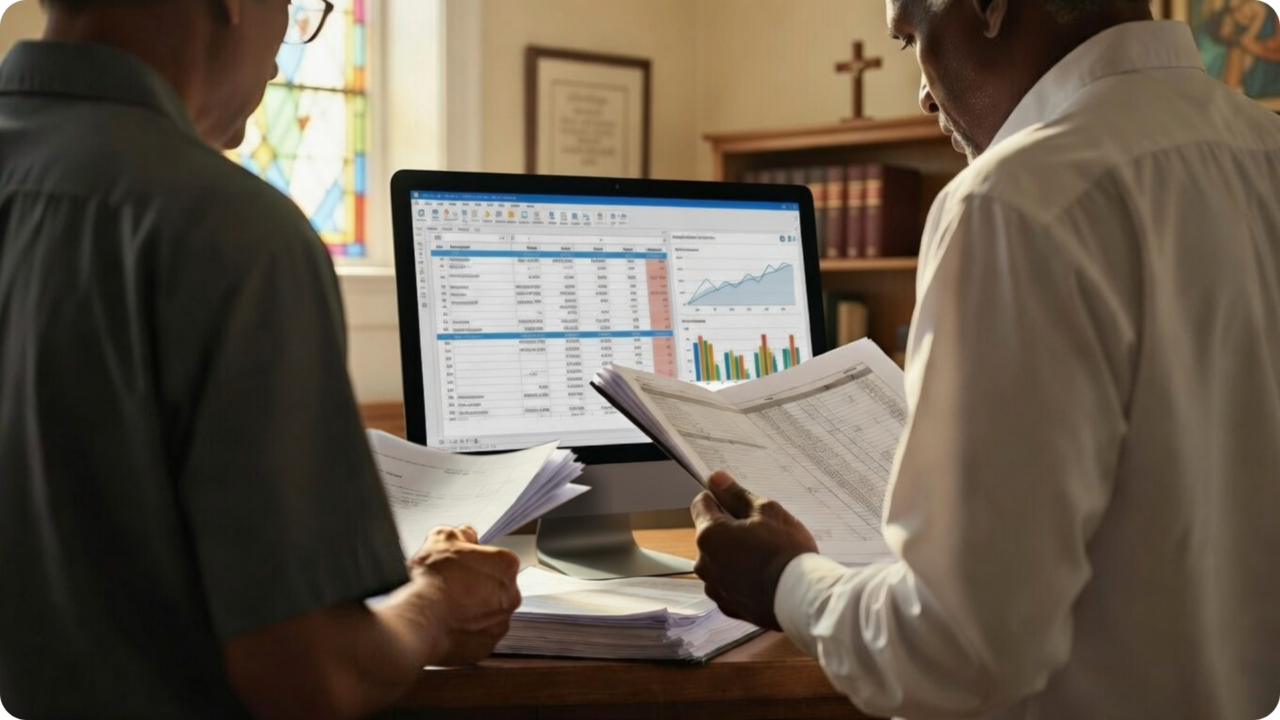
Your givers want to know their contributions are being used responsibly. While they don’t need a line-by-line breakdown of every expense, sharing high-level budget information, financial wins, challenges, and ministry outcomes helps establish confidence.
Studies show that financial transparency builds donor trust and long-term support — organizations that openly share financial reports tend to retain donors at significantly higher rates than those that don’t.
Sharing clear financial summaries, annual reports, or congregational budget presentations increases credibility and demonstrates that your church values openness and accountability.
3. Strengthen Accountability With Solid Internal Controls
True stewardship includes protecting the church from fraud, theft, and financial misuse. Establishing guardrails signals to your congregation that you’re serious about safeguarding their trust. Practical actions include:
- Separating duties so one person isn’t responsible for counting, depositing, and reporting funds
- Conducting periodic third-party reviews or audits
- Setting clear cash-handling procedures and documentation protocols
These internal controls not only prevent misconduct — they show your church takes its fiduciary responsibilities seriously.
4. Connect Church Giving To Mission Impact
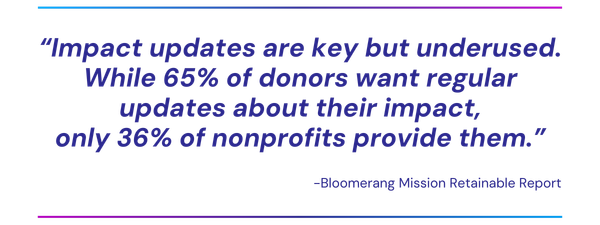
Donors are deeply motivated when they understand the difference their giving makes. Use offering moments, newsletters, and digital communication channels to connect dollars to real, tangible outcomes. Share stories of spiritual transformation, community outreach, missions impact, and baptisms celebrated because of generosity.
These insights are important as congregations are more likely to engage with digital giving when they receive clear, timely communication about their contributions. Communicating mission impact isn’t about fluff — it’s about helping givers see the Kingdom results sparked by their generosity.
5. Plan For Long-Term Sustainability
Responsible church financial stewardship means preparing the church to meet future needs while honoring present commitments. This includes financial forecasting, evaluating ministry growth, and ensuring the church remains strong and equipped for the years to come.
Churches that plan for sustainability often include:
- A reserve fund for unexpected needs
- Regular financial health check-ins with leadership
- Long-term planning around facilities, staffing, and ministry initiatives
Having appropriate savings, insurance, and strategic planning in place allows ministry to flourish even in challenging seasons.
About TouchPoint Giving
Healthy Church Financial Stewardship requires more than strong intentions — it requires clear visibility. Integrated church giving software like TouchPoint Giving helps churches maintain accurate records, generate real-time financial insights, and communicate impact with confidence. When your systems support transparency and accountability, your team can spend less time managing spreadsheets and more time advancing ministry.

Tools That Support Healthy Stewardship
In today’s digital age, integrated systems like TouchPoint Giving help churches maintain accurate giving records, generate real-time dashboards, and share those insights with leadership and congregations. This kind of clarity strengthens your stewardship practices and frees your team to focus more on ministry impact and less on manual financial administration.
Church financial stewardship extends far beyond financial management. It’s about cultivating trust, demonstrating integrity, communicating impact, and faithfully honoring God with every resource entrusted to the church.
By embracing biblical principles, practicing transparency, enforcing accountability, sharing meaningful ministry outcomes, and planning for the future, churches can build a strong culture of generosity that fuels mission for generations to come.
About The Author
Tricia Fourman serves as the Giving Solutions Specialist for TouchPoint Software. With more than 15 years of experience in church finance, she is passionate about helping individuals and churches grow in spiritual maturity through faithful financial stewardship. When she’s not immersed in all things giving and generosity, Tricia is likely curled up with a good book or planning her next adventure to a new corner of the world.

Technology Should Strengthen Ministry, Not Complicate It
For church staff at large and growing churches, switching a Church Management System is rarely about features alone. It is about trust. It is about partnership. And most of all, it is about whether the people behind the software understand the weight of ministry decisions, Sunday mornings, volunteer coordination, and discipleship at scale.
Church technology should reduce friction, not add to it. Yet many churches find themselves navigating long support queues, impersonal AI workflows, or training resources that feel disconnected from real ministry life. Over time, the issue becomes clear: software can be powerful, but people make the difference.
The Role Of Partnership In Church Technology Decisions
A Church Management System becomes deeply embedded in the life of a church. It touches attendance, giving, volunteer engagement, pastoral care, and long-term discipleship strategy. Because of that, choosing a ChMS is not a transactional decision. It is a relational one.
Healthy partnerships share three characteristics:
• Mutual understanding of ministry context
• Consistent, human communication
• Long-term investment in church health
When churches evaluate a ChMS, the real question often becomes: Will this vendor walk with us when things are complex, urgent, or unclear?
Why Ministry Experience Changes Everything
Churches operate differently than businesses. Deadlines revolve around Sundays, holidays, and ministry seasons. Volunteers rotate. Staff wear multiple hats. Data decisions are rarely abstract; they affect people, families, and spiritual formation.
When a support or onboarding team has lived inside church environments, conversations change. Questions are framed differently. Solutions account for nuance. There is shared language around ministry rhythms and pressure points.
At TouchPoint, many team members have served on church staff or as high-level volunteers. That background shapes everything from onboarding conversations to support responses. It allows TouchPoint to meet churches where they are, not where a generic software model assumes they should be.
Onboarding That Respects The Pace Of Ministry
Switching systems can feel overwhelming, especially for large churches with complex data histories and established workflows. Effective onboarding is not about speed alone; it is about clarity, confidence, and alignment.
Strong onboarding should help churches:
• Understand how data supports discipleship
• Configure systems around real ministry workflows
• Build internal confidence across staff and volunteers
TouchPoint’s onboarding approach is designed to walk alongside church teams, not rush them through a checklist. The goal is not simply to launch software, but to equip churches to steward their data well for long-term ministry impact.

Training That Grows With Your Church
Churches change. Staff roles evolve. Ministries expand. A ChMS should grow alongside those changes rather than locking churches into static learning models.
Ongoing training matters because it:
• Reinforces best practices over time
• Helps new staff integrate quickly
• Unlocks deeper value from existing tools
Training becomes most effective when it is relational and contextual. Real conversations allow trainers to adapt guidance to each church’s structure, culture, and priorities. That flexibility is especially important for large churches navigating multiple ministries and campuses.
Support That Feels Human, Not Transactional
In moments of urgency, churches do not need long prompts or automated loops. They need real people who can listen, respond, and help solve problems quickly.
Responsive support is not about efficiency alone; it is about trust. Knowing that someone will answer, follow up, and stay engaged builds confidence across staff teams.
TouchPoint’s support philosophy centers on direct access to real people. No call centers. No handoffs to generic queues. When a conversation needs to move to a Zoom call, that option is available. When clarity is needed, the focus is on collaboration rather than deflection.
This approach is reflected in a 98.3% client satisfaction rate, rooted in responsiveness, clarity, and relationship.

Community As A Strategic Advantage
Large churches often operate with complex systems and distributed teams. Community becomes an overlooked asset in this environment.
A healthy ChMS community provides:
• Shared learning across churches
• Practical insights from real ministry use cases
• Encouragement through common challenges
TouchPoint views its partner churches as part of a broader community rather than isolated users. That mindset shapes training, support, and long-term product direction. Churches benefit not only from software, but from collective wisdom and shared experience.
TOUCHPOINT SUMMIT
Our annual Summit is an opportunity for church staff to learn unique ways to utilize TouchPoint and network with others.
Choosing A Partner That Stays Present
As technology evolves, many companies are leaning heavily into automation and AI-first support models. While innovation has value, ministry still requires discernment, empathy, and context.
Church leaders evaluating a ChMS should ask:
• Who will we talk to when something breaks?
• How well does this team understand church life?
• Will this partner stay engaged five years from now?
TouchPoint’s commitment is simple: real people with real ministry experience serving churches with honesty, availability, and care. The goal is not to replace relationships with technology, but to use technology to strengthen relationships within the church.
Software Is A Tool & Partnership Is The Difference
For large churches considering a ChMS switch, the most important features often reveal themselves after launch. Support quality. Training depth. Responsiveness. Trust.
Church Management Software works best when it is backed by people who understand the mission of the Church and are willing to walk alongside staff teams through every season. When that happens, software becomes more than a system. It becomes a support structure for ministry.
If you are exploring what partnership could look like beyond software, TouchPoint exists to serve churches with clarity, care, and community.
About The Author
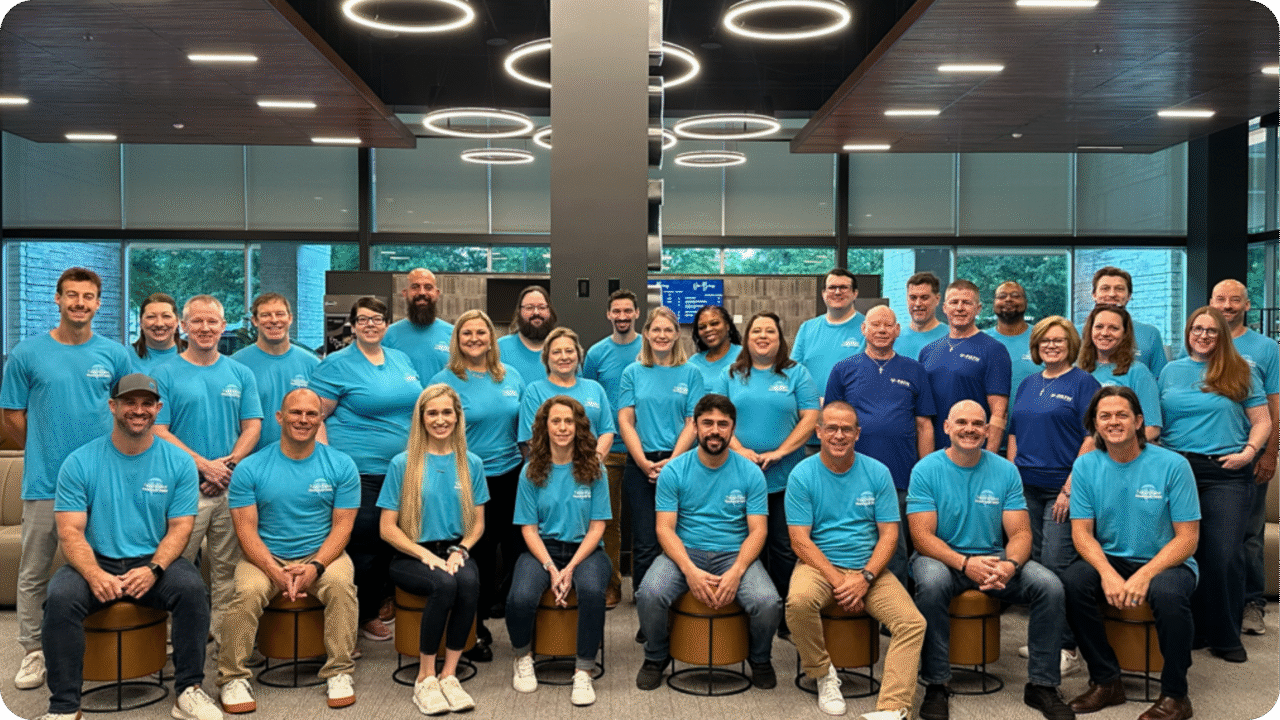
Matt Brown is a Software Evangelist at TouchPoint with a background as a Small Group Director, Database Administrator, & Production Coordinator, giving him firsthand insight into the everyday challenges church staff face. He’s passionate about equipping churches with practical tools and strategies that support discipleship and meaningful connection. Matt lives in Colorado with his wife and two daughters and serves his church by leading a small group, singing on the worship team, and helping organize the annual men’s retreat.
Elevated Data-Driven Discipleship For Churches
At TouchPoint, our heart has always been to serve the local church with tools that strengthen ministry, clarify vision, and support intentional discipleship. Today, we are thrilled to share exciting news: TouchPoint has officially acquired PATH Engagement!
This marks an important step forward in our mission to help churches see, understand, and respond to the discipleship journey of every person God has entrusted to their care.
What Is PATH Engagement?
PATH Engagement was created by a church, for the church. It was born out of a desire to move beyond surface-level reporting and into meaningful, actionable insights.
PATH helps churches dive deeper into their data so they can:
- See how people are engaging across ministries
- Identify where spiritual momentum is growing
- Recognize when care or follow-up may be needed
- Understand the health of discipleship pathways
Rather than focusing only on attendance or giving totals, PATH helps churches connect the dots between participation, growth, and pastoral care. It equips leaders to ask better questions and make wiser decisions.
Why This Matters For Every Church
Church leaders today are carrying more complexity than ever. Multiple ministries, multiple campuses, countless volunteers, and hundreds or thousands of congregants all moving through different stages of spiritual growth.
Data already exists in most churches. The challenge is clarity.
PATH brings dynamic reporting and engagement insights that transform information into visibility. Instead of guessing where engagement is thriving or declining, leaders can see it. Instead of reacting late, they can respond early. Instead of siloed ministry data, they can view the bigger picture of discipleship health.
Whether your church is currently using TouchPoint or another church management system, the need is the same: clear, trustworthy insight that fuels intentional ministry.
Continuing The Gold Standard In Data-Driven Discipleship
TouchPoint has long been committed to serving as a single source of truth for the local church. With the addition of PATH Engagement, we are deepening that commitment.
This acquisition strengthens our ability to:
- Provide clearer visibility into ministry effectiveness
- Empower staff teams with actionable insights
- Support shepherding with real-time awareness
- Elevate conversations around discipleship outcomes
We believe the future of healthy ministry includes thoughtful measurement. Not measurement for its own sake, but measurement that supports shepherding. Measurement that helps churches notice the one who has drifted. Measurement that celebrates growth and fruitfulness.
Data, when used wisely, becomes a ministry tool.
What This Means Moving Forward
The acquisition of PATH by TouchPoint is officially final, and we are excited about what’s ahead. Together, we will continue developing powerful engagement insights that help churches see not only who is involved, but how people are growing and where momentum is building.
If you would like to explore how PATH could serve your church, we invite you to reach out and start the conversation. You can schedule a PATH demo for your team.
Our Commitment To The Local Church
Everything we build is driven by one conviction: the local church matters deeply. Technology should serve ministry, not distract from it. Insights should empower shepherds, not overwhelm them.
We are grateful for the opportunity for PATH to continue serving churches of all sizes and systems as we move forward into this next chapter.
The future of data-driven discipleship is bright, and we are honored to walk alongside you in it.
How Customization Fuels Ministry Innovation
Two thriving churches, one suburban and one urban, needed a church management system that could keep pace with rapid expansion and increasing complexity. TouchPoint delivered more than software. Through creativity and collaboration, these leaders turned it into a strategic engine for engagement.
The Ministry Challenges Driving Church Technology Innovation
Churches today aren’t just places of worship; they’re hubs of community, education, and outreach. That means technology isn’t optional; it’s mission-critical.
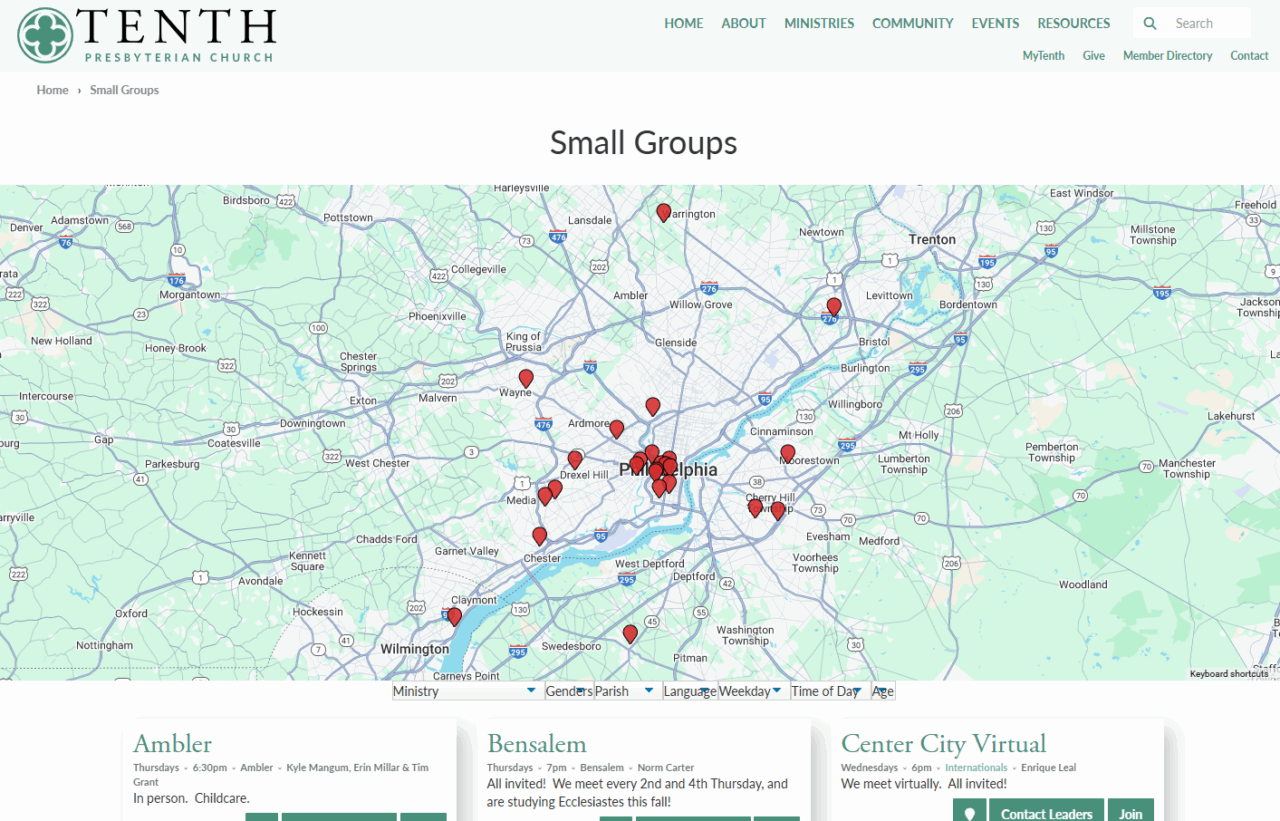
For Tenth Presbyterian Church (Philadelphia, PA), the stakes were high. Nestled in the heart of downtown, this nearly 200-year-old congregation serves a highly educated, professional demographic. “We are distinctly the biggest church in central Philly,” says James Kurtz, Director of Technology. “We have a very vibrant ministry. Something is happening on campus every day.” But urban life brings challenges: limited parking, homelessness, and the constant hum of city events.
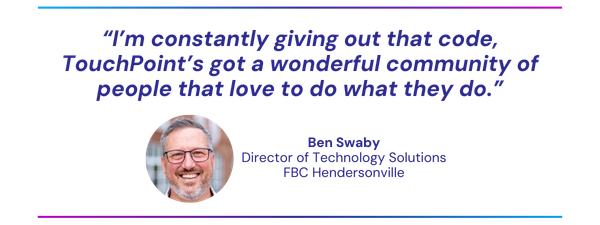
Meanwhile, at First Baptist Church (Hendersonville, TN), a fast-growing church was riding a wave of growth. “We’re in a growth posture,” says Technology Director Ben Swaby. “Usually around a 10% to 20% growth posture year over year.” With 14,000 members, 4,000 in worship weekly, and 3,000 in groups, the church needed a church management system that could scale fast.
Both churches faced the same reality: their existing platforms couldn’t keep up. They needed a solution that was flexible, powerful, and ready to evolve.
Meet The Church Leaders Behind The Innovation
- James Kurtz – Director of Technology, Tenth Presbyterian Church (Philadelphia, PA). Led a rigorous evaluation process and implemented extensive customizations, including WordPress integration and advanced reporting tools.
- Ben Swaby – Technology Director, First Baptist Church (Hendersonville, TN). Oversaw technology strategy and developed 130,000+ lines of custom code within TouchPoint, creating mission-critical systems like payment automation and analytics dashboards.
The Choice: Choosing A Customizable Church Management Platform
James’s journey started with spreadsheets and scorecards. “We gave all of these things some number of points,” he recalls. Another church software system initially outscored TouchPoint, but the hidden costs and complexity tipped the scales. “COVID happened, then we realized just how insufficient our existing platform was and that we really needed something that would absolutely work… and fast.”
Ben’s journey turned ministry challenges into catalysts for growth. “We jumped in quickly based on a recommendation, and that taught us a lot,” he reflects. The onboarding process sparked innovation. “We learned by doing, and that hands-on approach ultimately helped us master the system.”
Customization For Your Ministry Needs
Extend TouchPoint with your team’s skills—SQL reporting, Python scripts, and custom dashboards built the way you want them. Give your developers a platform that supports clean data, reliable automation, and scalable ministry systems.

Building Custom Church Software Tools That Strengthen Ministry
Faced with ministry needs and limited time, both leaders refused to settle. Instead, they transformed complexity into springboards, crafting solutions that didn’t just fix problems; they reimagined what ministry technology could do. What follows are examples of the tools and ideas they used to turn their vision into reality with TouchPoint Church Management Software.
Dynamic Group Finder For Community Connection
James started with a simple but powerful idea: make it easier for people to find community. TouchPoint already offers a robust Small Group Finder, but James wanted something that would integrate seamlessly with his church’s WordPress site. “I built one that’s part of a WordPress plugin,” he explains. “It pulls all the small groups out of TouchPoint and lets users filter by age range based on the people who are in the group.” This wasn’t just a technical tweak; it was a game-changer. Instead of static listings, members now have a dynamic, filterable experience that feels intuitive and personal. For a church in the heart of Philadelphia, where people crave connection in a fast-paced urban environment, this tool turned browsing into belonging.
Geographic Mapping Tools For Data-Driven Outreach
Ben’s innovation was all about connection at scale. When his community pastor struggled to visualize where members lived, Ben stepped in. “Within two days, I had a Google map,” he recalls. “He can click on the dots, see who’s there with pictures, draw around those dots… Then overlay US Census data.” Suddenly, planning block parties and outreach events wasn’t guesswork; it was data-driven ministry. This tool didn’t just map addresses; it mapped opportunities for relationships, gospel conversations, and neighborhood transformation.
Attendance Analytics That Reveal Ministry Trends
Ben didn’t stop at what TouchPoint already offered. The platform includes a Week-at-a-Glance report with anomaly markers built in, and Ben saw an opportunity to take it further. “I enhanced it to compare with historical time periods and added enrollment versus attendance metrics,” he explains. These upgrades turned a helpful snapshot into a powerful trend analysis tool. Now, leaders can see not just how a single week looks, but how patterns evolve over time, giving them clarity to spot challenges, celebrate engagement wins, and make informed decisions that strengthen ministry.
Automated Payment Management Customized Inside TouchPoint
Perhaps Ben’s boldest move was financial. “TouchPoint does not have a [centralized] payment management system,” he explains. Most of its functionality is based on the individual, but Ben created a central location to manage all payments by ministry or event. “I coded an entire system within the system… It’s [facilitating transactions] every month, and it’s automatically doing all of it.” Goodbye, manual processes. Hello, automation. This solution streamlined tasks that once consumed hours of staff time. For ministries like Mother’s Day Out and other programs, it wasn’t just about efficiency; it was about sustainability.
Personalized Church Communications Powered By Data
James focused on clarity and relevance in a world where inboxes overflow. TouchPoint’s standard email tools were helpful, and he also wanted something that adjusted based on what TouchPoint knew about each subscriber. “Our midweek email is customized to the person,” he explains. “Different people see different events based on where they live or who they are. We don’t need to advertise the women’s retreat to the single men, right? That kind of thing. It reduces the noise and makes the message clearer.” Less noise. More relevance. Better engagement. For James, personalization ensures every message matters and every recipient feels seen.
Breaking Down Data Silos With A Unified Church Database
Before TouchPoint, data lived in 47 silos. “I’m down to 12 now, and TouchPoint is our authoritative database,” says Ben. For James, the biggest win was accuracy: “If it’s wrong, that means the data…is wrong. Let’s fix the data.”
Innovation didn’t stop at the church walls. James & Ben are both active in the TouchPoint community, encouraging and helping other TouchPoint Churches reach their full potential. They both regularly attend TouchPoint Summit annually and aide colleagues on Discord to impact beyond the four walls of their churches.
Advice For Churches Exploring Customization And Innovation
Ben’s advice: trust your team and lean into community support. “You have everybody in a church right now to do everything that God wants you to do,” he says. “Don’t be afraid to raise your hand and ask for help.”
James adds: “Start small, learn as you go, and don’t be afraid to experiment. TouchPoint is powerful, but its real strength is in the hands of people willing to innovate.”
Both envision a future where technology amplifies ministry impact. “Don’t feel like you’re alone in this,” Ben says. “There’s a community ready to help you succeed.”
In Need Of Church Management Software Customization?
If your church is growing, evolving, or navigating complex ministry needs, your technology should grow with you. TouchPoint was built for churches that value flexibility, thoughtful customization, and a true partnership approach. Whether you’re looking to streamline operations, surface meaningful insights, or create tools that reflect how your ministry actually works, TouchPoint empowers your team to build with purpose.
Let’s explore how a customizable church management platform can support your mission today and position your church for what’s next. Request a Demo to evaluate if TouchPoint Software is a better for you ministry needs!
How Churches Can Communicate Clearly, Build Trust, & Start The Year Strong
End-Of-Year Giving Statements
For many churches, year-end giving statements are one of the most important financial communications of the entire year. They serve practical purposes for donors preparing their taxes, but they also communicate trust, transparency, and care.
When handled well, giving statements can reinforce confidence in your church’s stewardship and strengthen long-term generosity. When handled poorly, they can create confusion, frustration, or unnecessary follow-up questions for your staff.
Here are six practical tips to help your church send end-of-year giving statements smoothly and pastorally.
Multiple Delivery Options Matter
Every donor is different. Some appreciate a mailed statement they can file away. Others prefer a digital copy they can access instantly. Offering multiple delivery options helps donors receive their statements in the way that works best for them and reduces administrative back-and-forth.
Clear & Accurate Church Information Builds Trust
Make sure your church’s name, address, and contact information are clearly displayed at the top of every statement. This may feel small, but clarity and consistency go a long way in communicating professionalism and financial integrity.
Include A Thoughtful Cover Message
A short cover letter or message gives context to the statement and adds a relational touch. This is a great place to say thank you, celebrate what God has done through generosity this year, and remind donors how their giving supports the mission of the church.
Separate Tax-Deductible And Non-Tax Items Clearly
If your church collects payments for events, books, or other non-tax-deductible items, clarity is essential. Donors should be able to easily understand what qualifies as a charitable contribution and what does not, helping them feel confident when filing their taxes.
Make Statements Easy To Access Anytime
Donors appreciate being able to retrieve their giving statements without needing to contact the church office. Providing secure, self-service access reduces staff workload while empowering donors to find what they need on their own schedule.
Encourage Paperless Preferences
Many donors prefer electronic statements for convenience and sustainability. Giving people the option to go paperless helps streamline communication, reduce mailing costs, and meet modern expectations—while still supporting those who prefer printed copies.
A Well-Handled Process Reflects Good Stewardship
End-of-year giving statements are more than an administrative task. They are a reflection of how well your church cares for people, manages resources, and communicates clearly.
Church management software should be designed to support these best practices by making statements easy to customize, distribute, and access—so church staff can spend less time troubleshooting and more time focusing on ministry.
When generosity is handled with clarity and care, it builds confidence that lasts far beyond December 31.

Ready To Put This Into Practice With TouchPoint?
If your church already partners with TouchPoint, we’ve created a resource that walks through how to set up, customize, and send end-of-year giving statements using TouchPoint’s tools. This guide is designed to help your team move confidently through the process and reduce last-minute stress.
Sending Out End-Of-Year Giving Statements In TouchPoint
Struggling With Giving Statements In Your Current System?
If preparing end-of-year giving statements feels complicated, manual, or stressful, it may be time to evaluate a more connected approach. TouchPoint is built specifically for large and growing churches that need clear financial reporting, secure donor access, and tools that support both stewardship and discipleship.
Take A Closer Look At TouchPoint
Explore how our all-in-one ecosystem (including an integrated church giving platform) helps churches in every season with clarity and confidence.
Schedule a Free TouchPoint Software Demo!
Tis The Seasonal Surge Of Attendance
December has long been a special time on the church calendar, and the numbers prove it. For many congregations, the Christmas season brings some of the highest attendance of the year. It’s common to see packed pews at Christmas Eve candlelight services, often exceeding typical Sunday crowds. One recent church survey found that Christmas Eve attendance per church was about 32% higher than a normal weekend. In short, year-end services consistently draw significantly more people – a mix of regulars, occasional attendees, and many once-a-year guests.
But how many Americans overall attend church during Christmas nowadays? Surprisingly, slightly less than half of U.S. adults (47%) say they typically attend church at Christmastime. This is a notable shift from past generations when Christmas attendance was almost a given. As Lifeway Research notes, 9 in 10 Americans still celebrate Christmas in some way, yet fewer than half include a church service as part of those celebrations. Still, the cultural imprint remains strong – 63% of Americans say that attending church is an integral part of Christmas for them, even if not everyone follows through. This indicates that the idea of church at Christmas retains a sentimental or spiritual importance in many people’s minds, presenting churches with a unique opportunity to reconnect people with faith.
The pandemic of 2020, of course, interrupted these patterns dramatically. Churches may have held virtual Christmas services or none at all. But as in-person worship has resumed the last few years, the December surge has also returned. By Christmas 2021 and 2022, families cautiously came back to sanctuaries; by Christmas 2023, attendance in many churches was approaching or even exceeding pre-pandemic levels as people hungered for the communal experience of Christmas worship. In fact, industry data shows overall church attendance has been rebounding – one report found churches in 2024 had about 7% higher attendance than the year before, and nearly a quarter of churches even report more people now than they saw before COVID hit. (That’s a big turnaround – in early 2021, only 2% of churches could say they’d grown beyond their pre-2020 attendance, but by late 2023, that figure jumped to 23%.) All of this means that this December’s crowds might not just be a seasonal spike or “return to normal” – they could be part of a broader upswing in church engagement.
A Post-Pandemic Shift: People Are Seeking Meaning & Community
Beyond the raw attendance numbers, there’s a hopeful story emerging: after a period of upheaval and isolation, people (especially younger generations) are searching for truth, community, and something beyond themselves. Many of the pursuits that people chased before (whether material success, constant busyness, or online entertainment) proved less fulfilling during the pandemic. In the aftermath, a cultural shift is happening. We see signs of a spiritual reawakening: for example, sales of Bibles have absolutely skyrocketed in recent years. Publishers report that Bible purchases in the U.S. jumped 22% in 2024 (year-over-year), far outpacing general book sales. By October 2024, Americans had bought 13.7 million Bibles in the first 10 months of the year – up from 9.7 million in the same period of 2019. Globally, the trend is similar (the U.K. saw an astonishing 87% increase in Bible sales since 2019). This surge suggests that in times of uncertainty, people are turning back to Scripture and faith in record numbers.

Another striking trend: young adults are coming back to church. Not long ago, Millennials were often seen as the “lost generation” for churches – many had drifted away in their 20s and 30s. But now that narrative is changing. Recent research shows that Millennial church attendance has increased by 18% since 2019. In fact, around 39% of Millennials report attending church weekly now, up from only 21% in 2019 – a dramatic rise that actually makes Millennials more likely to attend weekly worship than the older Gen X or even Boomers in some areas. And it’s not just Millennials: Gen Z, despite being labeled the most unchurched generation, is showing a “profound openness to spirituality,” being surprisingly open to Jesus, the Bible, and questions of faith. It seems the younger generations are hungry for authentic connection and meaning after coming of age in a very chaotic time. Many are seeking community and purpose – and they’re finding it in church. As one church commentator put it, the fact that “Millennials are coming back” is a promising indicator of renewal for the future of the Church. This influx of young people and returning attendees is evidence that something has shifted culturally. People crave truth and real community, and they’re evaluating the Church to find it.
All of this context should encourage you and your team: if your pews feel a bit fuller this December, it’s not a fluke. It reflects a larger movement of people returning to faith communities. Nationwide, many churches are experiencing growth again. (Yes, overall U.S. church attendance took a hit in 2020-2021, and not every church has rebounded – some are still regaining ground. But many medium and large churches have been on a growth trajectory since at least 2022.) Rather than dismissing a December attendance spike as “just the usual Christmas bump,” recognize that it may be part of a broader trend of church growth and renewed interest in faith. Don’t miss this moment! As the saying goes, “Jesus is the reason for the season” – and clearly, a lot of people are being drawn to Him and His Church right now.

Let The Data Tell The Story (& Learn From It)
So what should church leaders do with this December influx? The first step is to capture good data. Every person who walks through your doors represents a soul for whom Christ died – and also a data point that can inform your ministry. By all means, celebrate the full sanctuary and the energy of Christmas services – but also take notes. Ask yourself and your team, “What story is our data telling us, and what are we supposed to do about it?”
Start with the basics: make sure you’re counting attendance accurately, not just estimating. If you haven’t already, consider enabling a check-in system for worship services (just like many do for kids’ ministry). A simple check-in or headcount system through your Church Management Software (ChMS) can record exactly who is attending each service. This gives you far more actionable insight than a rough total. For example, you might discover that 1,000 people came to your Christmas Eve services – but who were they? Was it mostly your core members bringing family? Or did you have 100 first-time guests show up from the community? Knowing this could shape your follow-up strategy.
Next, dig deeper into any new faces you see. Most ChMS platforms allow you to flag first-time or second-time guests easily (especially if they fill out a connect card or check in kids to childcare). Review guest profiles: do many of them share a ZIP code or neighborhood? (Perhaps a new housing development in town is finally checking out your church – insight worth noting!). Are they younger families, singles, or a mix? If you gather addresses or demographic information from connect cards, map it out – you might literally see a new pocket of your city represented in your sanctuary. If so, that’s a clue: maybe your recent community outreach or that social media invite campaign is yielding fruit in that area. Review the data to spot patterns.
Just as important: reflect on what initiatives preceded the attendance boost. Did your church do anything different this fall to invite people? For instance, some churches run special Christmas invite campaigns, encourage members to “bring a friend”, or serve the community in December – all of which can attract newcomers. If you did something like this, measure its impact. Perhaps you discover that 20% of your Christmas visitors came because a friend invited them. (National studies show this is plausible – 56% of Americans who don’t normally attend church say they would likely go if someone they know invited them!) That stat alone underscores how powerful a simple invitation can be. So if your people stepped up and extended invitations, and now you see new folks as a result, celebrate that! Share the win with your congregation: “We had over 100 guests on Christmas Eve – and many of them came because you invited them. Great job living out our mission!” This not only encourages a culture of invitation but also reinforces the importance of personal connection in evangelism.

Finally, don’t overlook giving and other engagement data in December. Year-end generosity is a real phenomenon – historically more charitable donations are made in December than any other month (around 14% of annual giving happens in December alone). If your offering spiked along with attendance, make note of it. Increased giving can indicate increased trust and buy-in from your people (and it helps your finance team plan for the new year). It’s also a reminder that people tend to be especially generous during the holidays – perhaps an opportunity to channel that into outreach or missions, not just internal needs.
In short, treat December as a data goldmine. Count everything you can: worship attendance, first-time guests, returning members you haven’t seen in a while, kids ministry numbers, decisions for Christ or baptisms, even giving. Every number is telling a part of a story. When you lay it all out, you might discover insights like: “Our Christmas concert drew 30% more young families than last year,” or “We had a surge of new volunteers for the holiday outreach event.” These are actionable insights. They can validate what’s working or highlight new needs (e.g., if lots of new families came, do we need to expand our kids’ ministry in 2026?). Data isn’t just for the spreadsheet – it’s there to help you discern ministry direction.
(Need help turning all this information into a real plan? Check out Season 3, Episode 6 of the LeadingSmart podcast on strategic church planning – it’s a practical conversation on how to align ministry goals with what your data is saying.)
From Crowd To Community: Turn Guests Into Disciples
High attendance at Christmas is wonderful – but the true goal is not just to get people in the door, it’s to help them take a next step in their faith journey. December gives you an audience; now you want to turn that crowd into a community. How? By offering clear calls to action and pathways for further engagement. In every Christmas service (and really, every service), make sure there is at least one concrete “faith next step” that you invite people to take. This could be:
- Fill out a Connect Card (physical or digital) – so you can personally follow up and thank them for coming.
- Come to a Newcomer Meet-and-Greet or “Pizza with the Pastors” next month – a non-threatening way to learn more about the church.
- Sign up to volunteer at an upcoming service project – people, especially younger folks, crave purpose and impact; invite them to serve alongside you.
- Give to a charitable cause your church is supporting – for example, a Christmas offering for local families in need. Even first-time attenders might be moved to contribute to a meaningful cause (outside the four walls of your church), and generosity can open their heart to the church community.
The key is to present specific, easy opportunities for involvement beyond just attending a worship service. Don’t overwhelm new guests with too many choices, but do extend a friendly invitation to more: “We’re so glad you’re here! Don’t let this just be a one-time visit – we’d love for you to connect and grow with us. Here’s one simple way to get started…” When people take that step – whether it’s filling a card, or coming back next Sunday, or joining a small group in January – capture that data in your ChMS. Every interaction (volunteering, giving, event sign-ups, class attendance) is a data point that helps you understand their engagement. Over time, these pieces form a picture of their discipleship journey.
This is where a good church management system shines. If you’re using a ChMS like TouchPoint to track attendance, giving, volunteer involvement, etc., you can analyze these metrics later. For example, you might track how many Christmas visitors eventually became regular attenders or members by Easter. Or see that a majority of those who filled out connect cards in December have since joined a small group. These insights are gold for ministry planning. They tell you what pathways are effective and where people might be dropping off. Ultimately, all this data is in service of discipleship. It’s not about numbers for numbers’ sake – it’s about noticing people and helping them move from curious attendees to committed followers of Christ. As the saying goes, you can’t manage (or minister to) what you don’t measure. So measure what matters, and then put that information to work by loving people intentionally.
Launch Into 2026 With Insight & Intention
When the Christmas decorations come down and January arrives, don’t just sigh with relief that the busy holiday season is over. Take time to review and reflect on the story your December data is telling. Gather your team in early January and look at those attendance figures, new guest counts, and engagement stats. What trends do you see? Perhaps your Christmas Eve attendance was 20% higher than last year – why might that be? Did your community population grow, or did you try a new outreach method? Discuss it. Maybe you noticed an unusually large number of twenty-somethings at the young adult Christmas party – is something attracting them (or is something missing for them the rest of the year that you could address)?
Asking these questions now will set you up for a strong 2026. Use the insights to inform your strategic plan for the new year. For example, if the data shows a big influx of young families in December, maybe prioritize launching that mid-week kids program or parenting class sooner than later. If volunteerism was high during Christmas, maybe those folks are ready to be invited into ongoing serving teams in 2026. Data can illuminate God-given opportunities. It helps you steward the growth He’s sending.
Most importantly, recognize that this past December was not like every other – culturally, we’re in a moment of renewed openness. Churches nationwide have been experiencing growth and new energy over the last couple of years, and your December turnout likely reflects that. So approach the coming year with faith-filled optimism. Rather than assuming any gains will fade, plan as if God is up to something new – because by all indications, He is!
In summary, Christmas gave us a glimpse of what God is doing: drawing people back to His Church. Now it’s on us to follow up, pour into those newcomers, and keep the momentum going. If we collect the right data and pay attention to the story it tells, we can make informed, Spirit-led decisions. We can head into 2026 with clearer vision – knowing who we’re reaching, who we’re missing, and how to better disciple the flock that God is gathering. Look at this like a Christmas like no other – not an endpoint, but a launchpad into a new season of ministry.
Explore TouchPoint
We are the ChMS for discipleship-driven data.
Schedule a FREE evaluation of TouchPoint!
December has a way of filling up every corner of your calendar and your heart. Extra services. Special music. Advent devotionals. Volunteer parties. Year-end giving campaigns. Pastoral counseling for people who are grieving, lonely, or overwhelmed.
If you serve as a pastor, ministry director, or church administrator, you probably feel it in your bones right now. Providing pastoral care during Christmas is a beautiful, holy weight – and it is also necessary.
This blog is a small way of saying: we see you, we honor you, and we are praying for you as you shepherd God’s people in a very full season.
Our hope is to offer gentle encouragement and a few practical ideas for caring for your emotional and spiritual health, while also making the most of tools that can give you margin, clarity, and capacity.
Why Pastoral Care Feels Heavier During Christmas
December brings unique layers to ministry:
- Extra services and rehearsals
- Increased communication needs
- More visitors and returning families
- Heightened emotions (joy, grief, nostalgia, anxiety)
- Financial conversations around year-end giving
On paper, it is a series of events and tasks. In reality, it is the stories behind those events and tasks that create the weight: the recently widowed member attending Christmas Eve alone, the young family wondering how they will afford gifts for their kids, the college student wrestling with their faith, the volunteer quietly burning out.
You are not only planning services; you are pastoring souls. That is why it feels heavier than normal.

Caring For Your Own Soul As You Care For Others
You cannot pour from an empty cup. That is not a cliché, it is a design reality. God did not ask you to carry the weight of Advent and Christmas in your own strength.
Here are a few simple practices you may want to revisit in this season:
- Start each day with prayer
- Verbalize what you can and cannot do
- Block out small pockets of rest on your calendar
- Talk to trusted people about your burdens and ask for help
- Celebrate the good work God is doing
Even a few minutes of honest prayer, a short walk between meetings, or a quiet drive home with worship music can become a small sanctuary. These rhythms are not selfish; they are stewardship.
Let Your Tools Aide You In Pastoral Care
When life gets full, your mind becomes a crowded place. You are trying to remember who you promised to follow up with, which family needed a phone call, which guest filled out a card last week, and who has quietly slipped out the back door of your church without anyone noticing.
Your church management software should not add to that mental load. It should help carry it.
In TouchPoint, the Tasks & Notes feature was built with that exact tension in mind. Tasks & Notes helps your team:
- Track ministry follow-ups and assignments
- Record important conversations and pastoral touchpoints
- Organize care efforts so people do not slip through the cracks
And because these tools are available from both your computer and your phone through your branded church mobile app, you can capture care moments right where they happen: at the hospital, in the lobby, over coffee, or in the parking lot after rehearsal.

How Tasks & Notes Creates Breathing Room In A Full Season
Here are some specific ways Touchpoint’s pastoral care software can quietly support your emotional and spiritual health during December by reducing the mental clutter and helping you share the load.
Capture Care Moments In Real Time
You do not have to trust your December brain to remember every follow-up. With Tasks & Notes, you can quickly:
- Create a task (for yourself or another ministry leader) on your phone right after a conversation
- Add a note to a person’s record to capture key details
- Set a follow-up date so important needs do not drift away
This moves follow-up from “I hope I remember” to “Our system will help us remember,” which is a gift to your future self.
Share Care Across Your Whole Team
You were never meant to carry pastoral care alone. Tasks & Notes allows you to assign tasks to pastors, ministry leaders, and lay leaders so the care load is shared wisely.
A few examples:
- Assign a task for a small group leader to reach out to a new couple that has expressed interest in joining a group
- Delegate a call to a care team volunteer for someone who submitted a prayer request
- Transfer a task from a pastor to the right lay leader for deeper discipleship or follow up
Instead of carrying all those to-dos in your head, you can see them clearly and share them intentionally.
See Who Might Be Slipping Through The Cracks
During a packed season, it is very easy for quieter needs to disappear in the noise. The Tasks & Notes search and reporting tools help your team:
- Filter by status to find incomplete tasks
- Review notes by keyword (example: Pastoral Care, Bereavement, Or Family Ministry)
- Identify ministries or teams with overdue tasks
That kind of visibility helps your church continue to care intentionally, even when the calendar is overflowing.
Protect Sensitive Conversations
Some conversations are tender and need extra protection. With Tasks & Notes, churches can limit certain tasks or notes to specific user roles (for example, pastoral care or counseling teams), so sensitive information is only visible to those who should see it.
That balance of access and privacy allows your team to coordinate care while honoring the dignity and confidentiality of the people you serve.
Automate Follow-Up For Ongoing Care
For larger churches, the sheer volume of people can make it hard to see who is drifting or is in need of a touchpoint. Tasks & Notes connects with Process Builder so that when certain conditions are met (like a guest not attending for several weeks) a task can be created automatically and assigned to the right leader.
That means your system is quietly watching for patterns and flagging opportunities for care, even while you are focused on Christmas services and events.
Celebrating The Ministry Moments That Matter
Last but not least, you can use Tasks & Notes to recognize and celebrate the good work your ministries are already doing. When you pull a simple report of completed tasks, you are not just reviewing checkmarks—you are looking at stories of impact. Every hospital visit, thank-you card, phone call, or follow-up represents a moment where someone in your church felt seen and cared for.
These reports give you a way to affirm volunteers, highlight faithful ministry that often goes unnoticed, and remind your team that these small acts of obedience make a real difference in people’s lives. In a busy season where it’s easy to focus on what still needs to be done, Tasks & Notes helps you pause and celebrate what God has already done through your ministry.

Making A Big Church Feel Small At Christmas
One of the most beautiful compliments we hear from partner churches is that TouchPoint helps “make the big church feel small.” In a season like December, that matters even more.
Using Tasks & Notes with thoughtful keywords such as Hospitality, Family Ministry, Marriage, Or Bereavement allows your team to:
- Notice patterns in care needs across your congregation
- Coordinate follow-up for families walking through similar seasons
- Ensure guests are communicated with and remembered beyond their first visit
When people feel seen, remembered, and followed up with, the Christmas message moves from a moment in a service to an ongoing experience of being loved by Christ’s body.
A Word To Our Partner Churches
If you are already part of the TouchPoint family, please hear this: we are deeply grateful for you.
We know you are pouring out your heart in a season that is equal parts joy and fatigue. Our prayer is that TouchPoint gives you more room to breathe, more clarity about what matters most, and more capacity to care for people well.
Thank you for the way you are making disciples, shepherding large congregations with personal attention, and stewarding technology in service to the gospel. We are cheering you on and praying for you this Christmas!
A Word To Churches Exploring Their Options
If you are not a part of the TouchPoint family and are reading this feeling scattered or overwhelmed, you are not alone. Many churches discover during the holidays that their current systems are not supporting the level of care they long to provide.
There may be a better way forward next year—one that helps your team stay connected, share the load, and see clearly who needs care. Whether you explore TouchPoint or another solution, our encouragement is the same: choose tools that serve your calling, support your emotional and spiritual health, and help your church make a big impact while still feeling personal and connected.

As you lead through this full season, may the Lord:
- Guard your heart and mind in Christ Jesus
- Give you wisdom to know what to say “yes” and “no” to
- Surround you with co-laborers who share the load
- Use your efforts to transform lives for His glory
Christmas comes every year, and it will likely always be full. Our prayer is that, with the right rhythms and the right tools, it can also be a season where you experience God’s nearness, see lives changed, and feel supported rather than stretched thin. We are here for you and praying for you this Christmas.
Discover Tools That Support Your Ministry All Year Long
Because caring for your people is sacred work—and you deserve tools that make it easier to stay connected, stay encouraged, and stay focused on what matters most.