
























Church financial stewardship is far more than balancing budgets or paying bills—it’s a meaningful expression of trust, integrity, and mission. When your congregation gives, they’re not simply dropping money into a bucket. They’re investing in Kingdom impact, believing their resources will be used wisely and purposefully. That makes stewardship one of the most significant responsibilities a church carries.
Stewardship shapes how your church advances its mission and deepens relationships with the people you serve. Below are five key ways churches can ensure they are stewarding donations faithfully and effectively.
5 Ways Churches Can Build Trust With Their Givers
1. Ground Stewardship In Biblical Truth
Church financial stewardship begins with the recognition that everything belongs to God (Psalms 24:1) and we are merely managers of His resources. This mindset reshapes how financial decisions are made and ensures spending aligns with what is most God-honoring. The Parable of the Talents reminds us to steward resources actively: investing for growth, taking wise risks for Kingdom impact, and avoiding fear-based decision-making.
2. Build Confidence Through Transparency & Integrity
Your givers want to know their contributions are being used responsibly. While they don’t need a line-by-line breakdown of every expense, sharing high-level budget information, financial wins, challenges, and ministry outcomes helps establish confidence.
Studies show that financial transparency builds donor trust and long-term support — organizations that openly share financial reports tend to retain donors at significantly higher rates than those that don’t.
Sharing clear financial summaries, annual reports, or congregational budget presentations increases credibility and demonstrates that your church values openness and accountability.

3. Strengthen Accountability With Solid Internal Controls
True stewardship includes protecting the church from fraud, theft, and financial misuse. Establishing guardrails signals to your congregation that you’re serious about safeguarding their trust. Practical actions include:
- Separating duties so one person isn’t responsible for counting, depositing, and reporting funds
- Conducting periodic third-party reviews or audits
- Setting clear cash-handling procedures and documentation protocols
These internal controls not only prevent misconduct — they show your church takes its fiduciary responsibilities seriously.
4. Connect Church Giving To Mission Impact
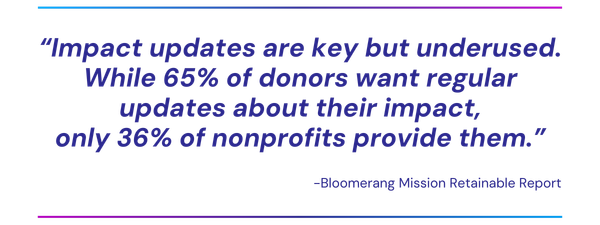
Donors are deeply motivated when they understand the difference their giving makes. Use offering moments, newsletters, and digital communication channels to connect dollars to real, tangible outcomes. Share stories of spiritual transformation, community outreach, missions impact, and baptisms celebrated because of generosity.
These insights are important as congregations are more likely to engage with digital giving when they receive clear, timely communication about their contributions. Communicating mission impact isn’t about fluff — it’s about helping givers see the Kingdom results sparked by their generosity.
5. Plan For Long-Term Sustainability
Responsible church financial stewardship means preparing the church to meet future needs while honoring present commitments. This includes financial forecasting, evaluating ministry growth, and ensuring the church remains strong and equipped for the years to come.
Churches that plan for sustainability often include:
- A reserve fund for unexpected needs
- Regular financial health check-ins with leadership
- Long-term planning around facilities, staffing, and ministry initiatives
Having appropriate savings, insurance, and strategic planning in place allows ministry to flourish even in challenging seasons.
About TouchPoint Giving
Healthy Church Financial Stewardship requires more than strong intentions — it requires clear visibility. Integrated church giving software like TouchPoint Giving helps churches maintain accurate records, generate real-time financial insights, and communicate impact with confidence. When your systems support transparency and accountability, your team can spend less time managing spreadsheets and more time advancing ministry.

Tools That Support Healthy Stewardship
In today’s digital age, integrated systems like TouchPoint Giving help churches maintain accurate giving records, generate real-time dashboards, and share those insights with leadership and congregations. This kind of clarity strengthens your stewardship practices and frees your team to focus more on ministry impact and less on manual financial administration.
Church financial stewardship extends far beyond financial management. It’s about cultivating trust, demonstrating integrity, communicating impact, and faithfully honoring God with every resource entrusted to the church.
By embracing biblical principles, practicing transparency, enforcing accountability, sharing meaningful ministry outcomes, and planning for the future, churches can build a strong culture of generosity that fuels mission for generations to come.
About The Author
Tricia Fourman serves as the Giving Solutions Specialist for TouchPoint Software. With more than 15 years of experience in church finance, she is passionate about helping individuals and churches grow in spiritual maturity through faithful financial stewardship. When she’s not immersed in all things giving and generosity, Tricia is likely curled up with a good book or planning her next adventure to a new corner of the world.